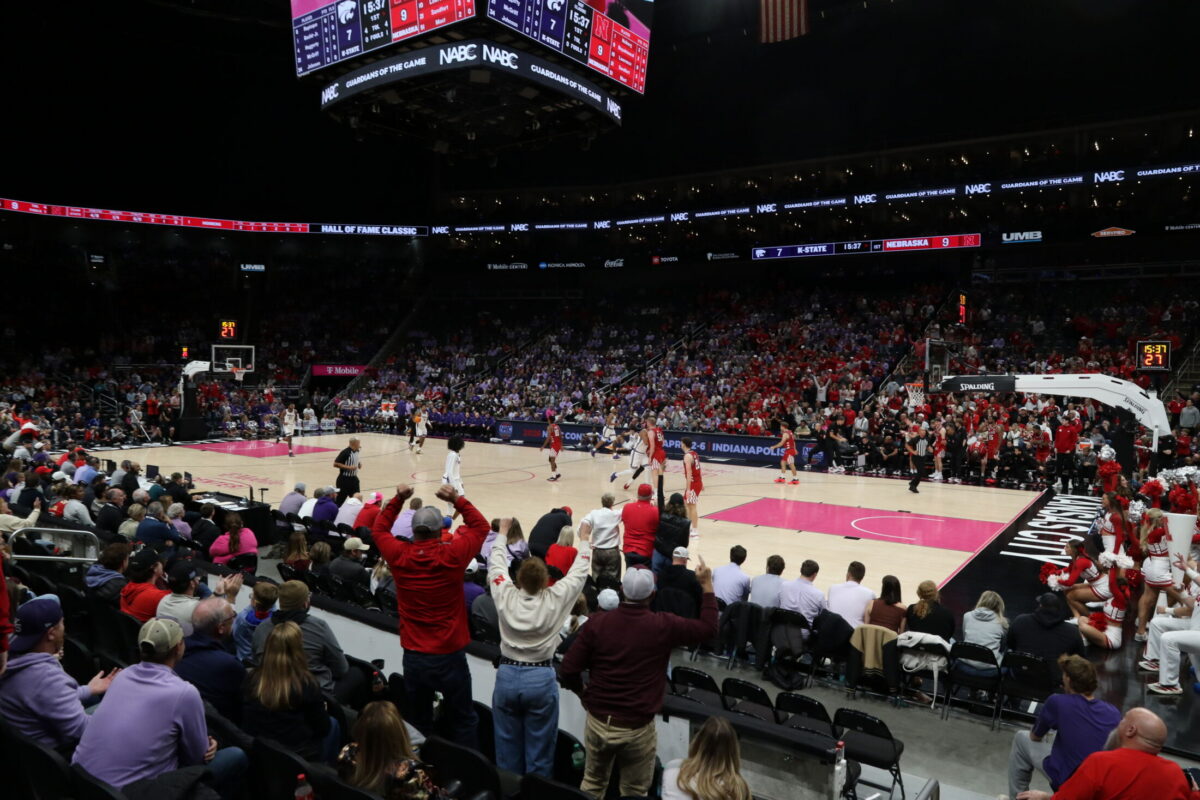
Kansas City holds a well-documented place as a college basketball capital, and it appears the tradition will continue this season.
From early season invitationals and a new coach debut to major rivalries and primetime postseason tournaments, top men’s and women’s teams from across the country will compete in Kansas City’s downtown sports venues.
Here are five marquee events to catch on the court before the year ends, plus more to look forward to in the postseason.
28.5 Hoops Women’s Invitational
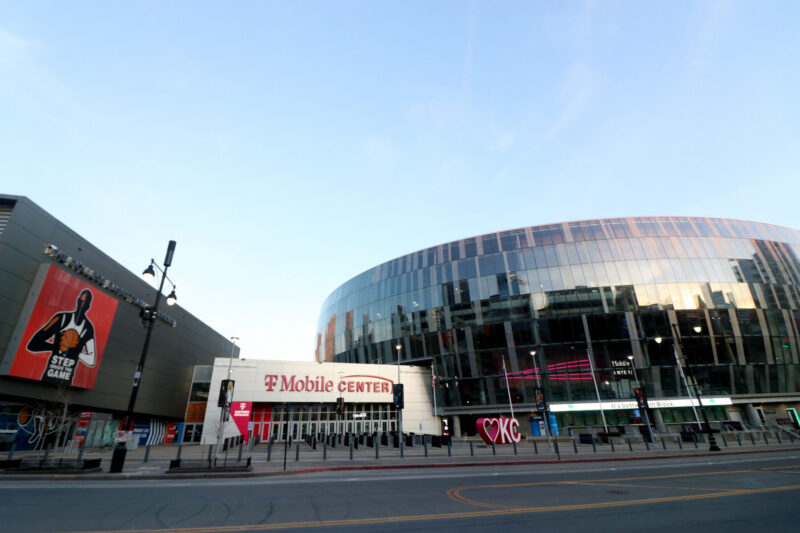
Eight teams. Four games. One day. This year’s 28.5 Hoops Women’s Basketball Invitational will take center court in Kansas City as some of the region’s top teams compete.
Fans can catch all four games — Missouri State vs UMKC, Kansas vs South Dakota State, Wichita State vs Oklahoma State, and Missouri vs Kansas State — with just one affordable ticket.
- When: Sunday, Nov. 22
- Where: T-Mobile Center
- Find tickets here
Missouri vs Kansas
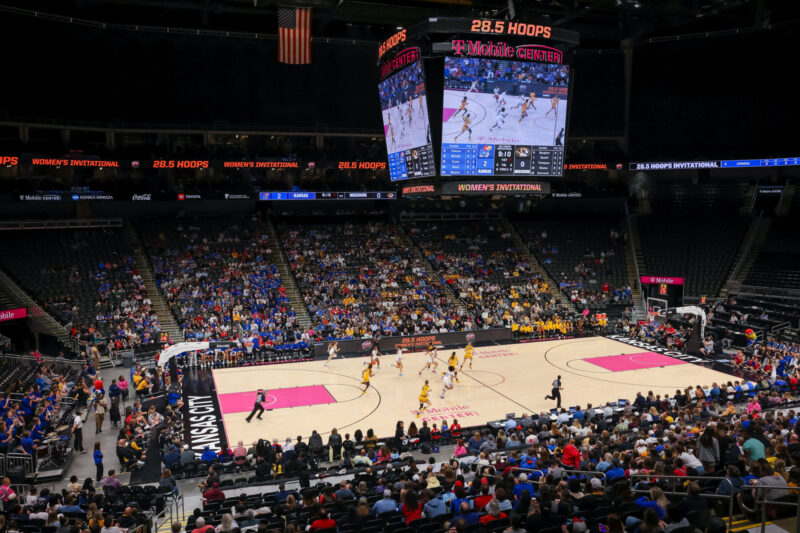
The Tigers and Jayhawks are back at T-Mobile Center for another edition of their Border Showdown, bringing one of men’s college basketball’s most historic rivalries to Kansas City.
- When: Sunday, Dec. 6
- Where: T-Mobile Center
- Find tickets here
Kansas State vs Wichita State
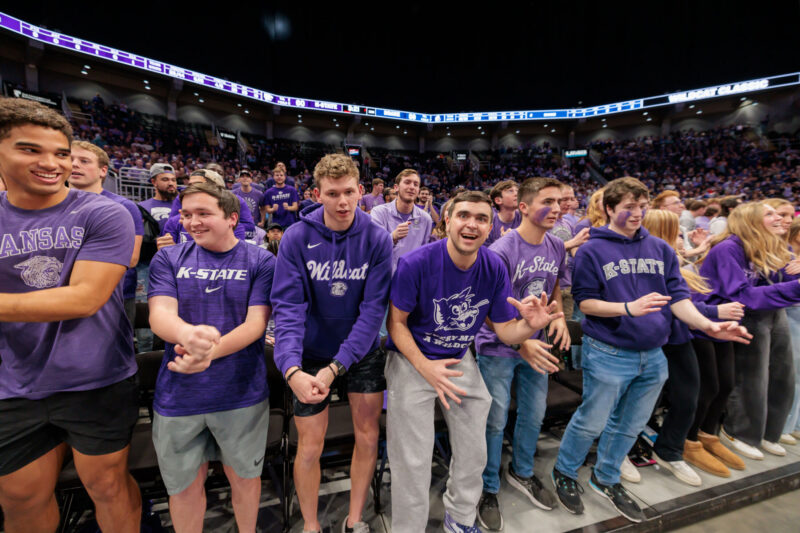
Another rivalry game takes the court with the Wildcat Classic featuring Kansas State and Wichita State men’s basketball. These two teams last faced off in Kansas City in 2023 in front of a sold-out crowd.
- When: Friday, Dec. 11
- Where: T-Mobile Center
- Find tickets here
Missouri vs Nebraska
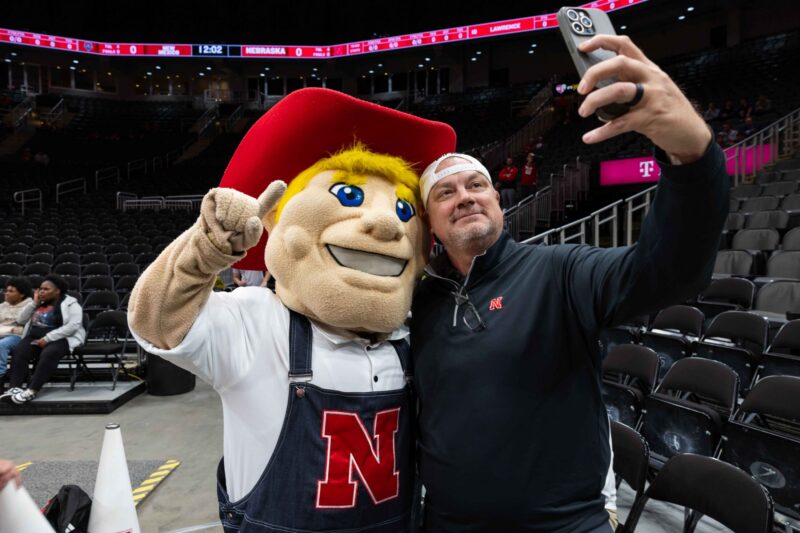
The Mizzou men’s program will continue the weekend of college hoops at T-Mobile Center, hitting the court against Nebraska for another Midwestern matchup. This December game will mark the first time in over 15 years since the Tigers and Huskers last competed.
- When: Saturday, Dec. 12
- Where: T-Mobile Center
- Find tickets here
Hall of Fame Classic
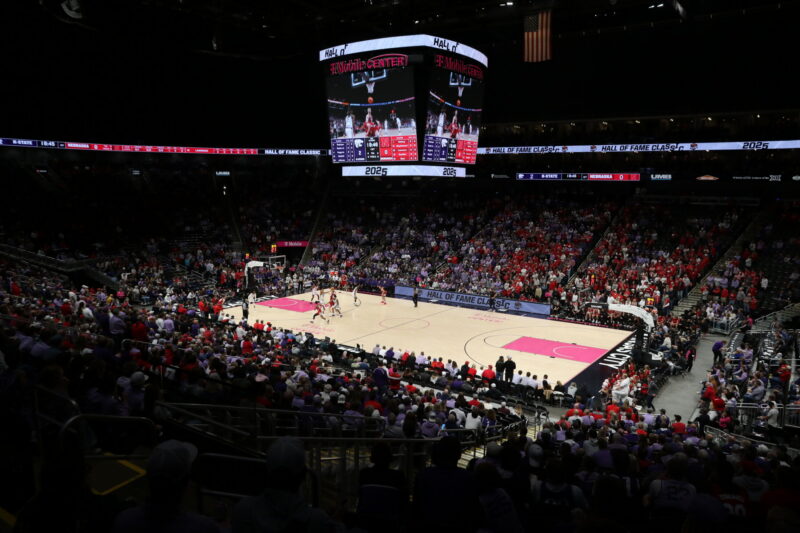
Hosted by the National Association of Basketball Coaches, this annual competition returns to Kansas City for its 26th year. Catch a doubleheader at T-Mobile Center featuring Iowa State vs Missouri State and Drake vs Davidson, all for one ticket.
- When: Friday, Dec. 18
- Where: T-Mobile Center
- Find tickets here
More College Hoops in KC
Kansas City’s college hoops action doesn’t stop there. All throughout the regular season and postseason there are opportunities to see some of the best college basketball players, right here in the heart of America.
Roos Move Downtown
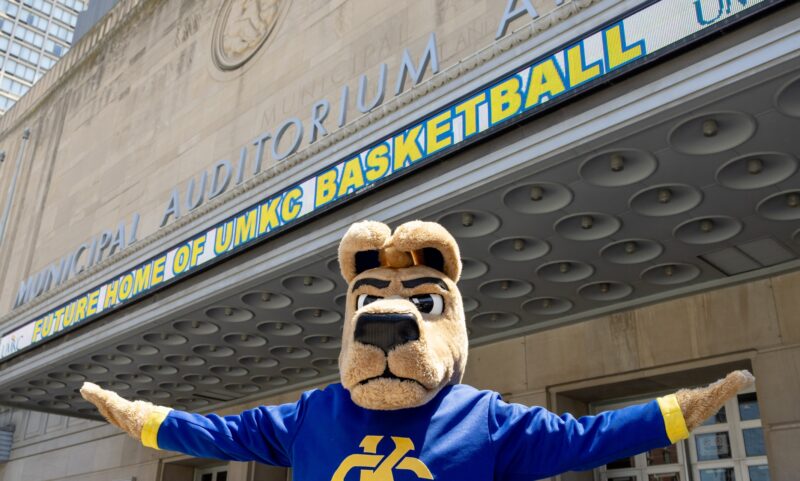
College basketball fans can cheer on the hometown team all season long as the UMKC men’s basketball team returns to downtown Kansas City. The Roos will play all home games in the historic Municipal Auditorium, creating a high-energy experience for fans, players and the entire Kansas City community.
Also new this season, Kansas City’s men’s team will be led by head coach Mark Turgeon, one of the winningest coaches in NCAA history. The Kansas Sports Hall of Fame inductee brings 24 years of head coaching experience, including seven at nearby Wichita State.
Look Ahead to 2027
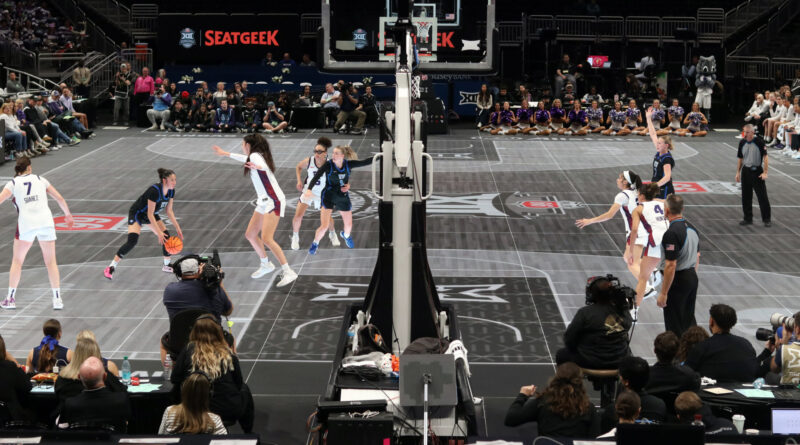
Every March, Kansas City host more college basketball games than any city in the United States. And in 2027, there will be even more teams hitting the court as the city welcomes March Madness.
But first up, the MIAA Men’s and Women’s Basketball Championships take over Municipal Auditorium from March 3-7. The MIAA is made up of 14 Division II colleges and universities from five states, including nearby teams like Central Missouri and Pittsburg State.
At the same time, the Phillips 66Big 12 Women’s Basketball Tournament tips off inside T-Mobile Center, marking the seventh consecutive year the tournament will be played in KC.
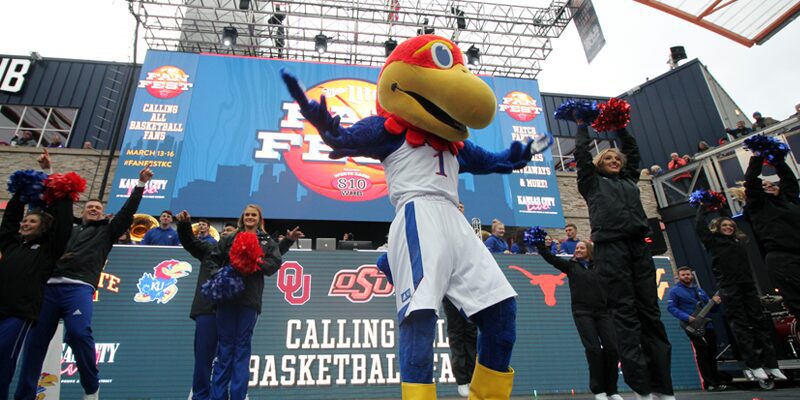
After a women’s tournament champion is crowned, the men’s teams take the court for the Phillips 66 Big 12 Men’s Basketball Tournament from March 9-13. Both the men’s and women’s tournaments feature much more than basketball with fan activations, spirit rallies and concerts in Downtown Kansas City.
Just a few days later, the NAIA Men’s Basketball Championship moves into Municipal Auditorium from March 18-23. The NAIA is comprised of about 250 small colleges and universities, including nearby schools like Benedictine College and Park University. The top 16 teams qualify for the tournament, which is college basketball’s oldest national championship.
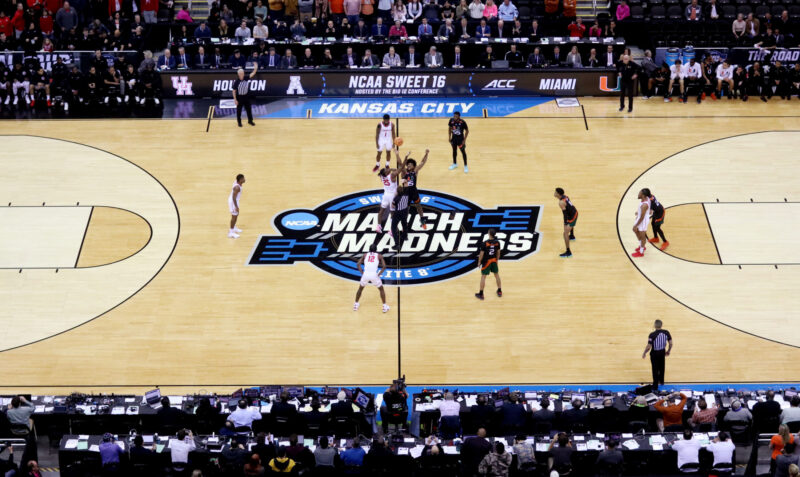
And finally, it’s time for the big dance as Kansas City once again welcomes March Madness on March 26 and March 28. Fans will pack T-Mobile Center for the NCAA Division I Midwest Regional semifinals and finals, also known as the Sweet 16 and Elite 8.
Kansas City is no stranger to NCAA championships, recently hosting the national tournaments for men’s wrestling, women’s soccer and women’s volleyball in the past two years.
Basketball History Lives Here
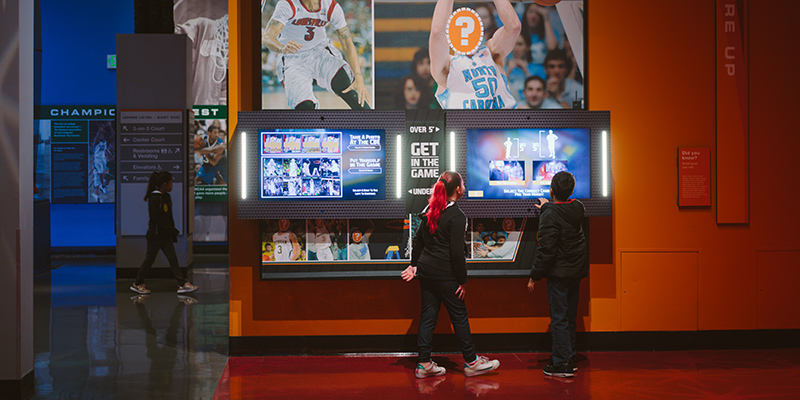
There’s no denying that college hoops have a special heartbeat in Kansas City’s sports arenas, but basketball aficionados can also exercise their love of the game all year long inside the College Basketball Experience.
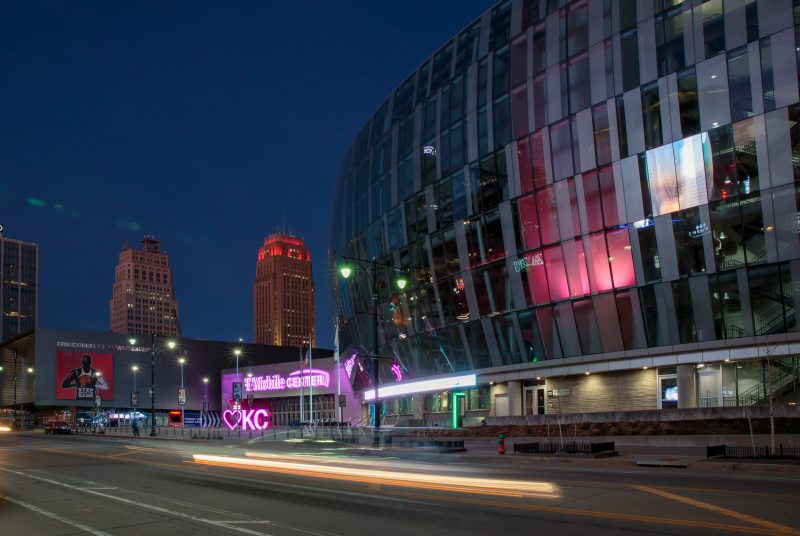
Next door to T-Mobile Center and the Power & Light District, it’s an interactive space that provides hands-on opportunities for refinement to players at every age and skill level. The drills on display offer specific ways to sharpen your own skills, from free throws to splashy threes.
It’s also home to the National Collegiate Basketball Hall of Fame, where some of the sport’s most iconic experiences are preserved.

![BOOlevard 2025 – Event_Image4 [EVENT]](https://www.visitkc.com/uploads/2025/09/c1a7aab5-990b-471a-bd7a-fb290f629885-800x533.jpg)