Partout dans le pays, des institutions célèbrent le 250e anniversaire des États-Unis en 2026, et ce printemps, certains des documents historiques les plus importants du pays sont exposés dans l'un des principaux musées de la région de Kansas City.
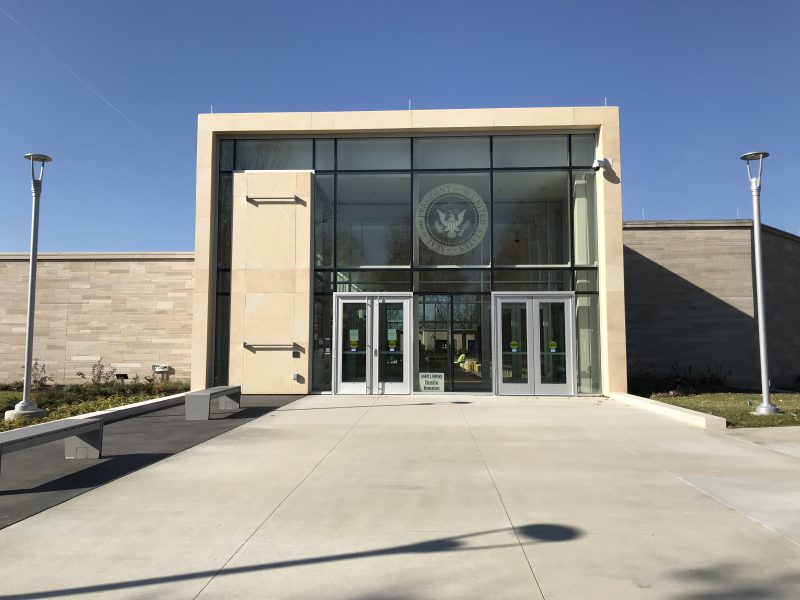
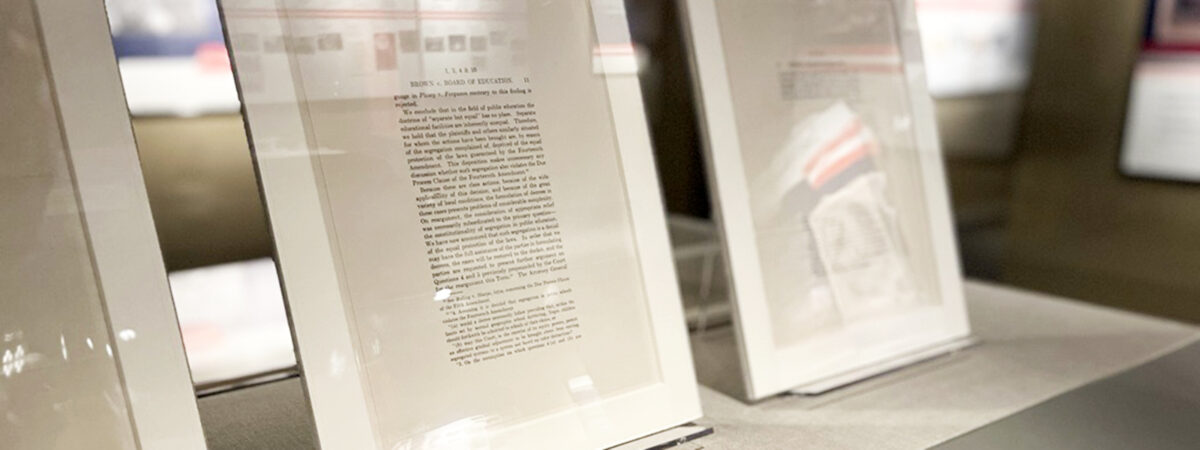
En partenariat avec America250, la Bibliothèque et musée présidentiels Harry S. Truman présente près d'une vingtaine d'objets d'une importance capitale pour l'histoire américaine à Independence, dans le cadre de l'exposition « Opening the Vault : The Story of US ». Bon nombre de ces documents n'ont jamais été exposés ailleurs qu'aux Archives nationales.
De plus, de nombreuses pièces sont directement liées à la région de Kansas City et aux décisions prises par le président Truman pendant son mandat, depuis le Compromis du Missouri et l'arrêt Brown c. Board of Education (rendu à Topeka, non loin de là) jusqu'au décret 9981 visant à mettre fin à la ségrégation dans les forces armées américaines.
Ouverte jusqu'au 24 mai, la bibliothèque Truman propose notamment la visite de documents précieux, parmi lesquels :
- Dessin original du Grand Sceau des États-Unis, 1782: ce dessin est toujours utilisé aujourd'hui, plus de deux siècles plus tard.
- Traité de Paris, 1783: cet accord mit fin à la guerre d'indépendance et reconnut l'indépendance des États-Unis.
- Déclaration des droits (révisions du Sénat), 1789: ce document, qui énonce les libertés fondamentales des États-Unis, reflète les premières modifications apportées par le Sénat.
- L'achat de la Louisiane, 1803: cette acquisition a doublé la superficie des États-Unis.
- Compromis du Missouri, 1820: les tensions entre les États libres et les États esclavagistes ont été apaisées grâce aux conditions fixées par le compromis du Missouri.
- Le compromis de 1850: une nouvelle initiative visant à apaiser les tensions entre les États libres et les États esclavagistes a été mise en place à la suite de l'acquisition de nouveaux territoires après la guerre américano-mexicaine.
- Loi Kansas-Nebraska de 1854: Abrogeant de fait le compromis du Missouri, la loi Kansas-Nebraska a donné lieu à des conflits connus sous le nom de « Bleeding Kansas » (le Kansas ensanglanté), précurseurs de la guerre de Sécession.
- Dred Scott c. Sandford, 1857: cette décision de la Cour suprême a privé les Afro-Américains de la citoyenneté.
- Télégramme annonçant la reddition du fort Sumter, 1861: lorsque l'armée américaine a cédé le fort Sumter aux forces confédérées, la guerre de Sécession a éclaté.
- Résolution commune proposant le treizième amendement, 1865: ratifiée en décembre 1865, cette résolution proposait l'abolition de l'esclavage aux États-Unis.
- Arrêt Plessy c. Ferguson, 1896: dans cette décision de la Cour suprême, la ségrégation a été jugée constitutionnelle, établissant ainsi la doctrine « séparés mais égaux ».
- Discours du président Woodrow Wilson sur les 14 points, 1918: ce discours prononcé devant le Congrès présentait un plan pour la paix après la Première Guerre mondiale.
- Carnet du projet Manhattan, 1942: des notes manuscrites décrivent en détail le projet qui a conduit à la création de la bombe atomique.
- Capitulation de l'Allemagne, 1945: ce document a marqué la fin de la Seconde Guerre mondiale en Europe.
- Décret n° 9981, 1945: le président Harry S. Truman a signé ce décret afin de mettre fin à la ségrégation dans les forces armées américaines.
- Traité de l'Atlantique Nord, 1949: L'Organisation du Traité de l'Atlantique Nord a été fondée au lendemain de la Seconde Guerre mondiale, redéfinissant ainsi la sécurité mondiale.
- Accord d'armistice pour la restauration de l'État sud-coréen, 1953: les hostilités cessèrent et la zone démilitarisée coréenne fut créée.
- Brown c. Board of Education, 1954: rendue à Topeka, non loin de là, cette décision historique de la Cour suprême a invalidé le principe antérieur de « séparation mais égalité ».
- Décret présidentiel n° 10730: déségrégation du lycée Central High School, 1957 : le président Dwight D. Eisenhower a envoyé des troupes pour faire respecter la déségrégation dans un lycée de Little Rock.
- Loi sur les droits de vote de 1965: cette loi fondamentale a consacré le droit de vote et a éliminé les obstacles à la démocratie.
- Résolution commune proposant le vingt-sixième amendement, 1971: À la suite du mouvement de jeunesse qui a marqué la période de la guerre du Vietnam, l'âge requis pour voter a été abaissé à 18 ans.
Une fois que vous aurez eu l'occasion de découvrir ces documents rares exposés, vous pourrez approfondir votre connaissance des événements qui les ont inspirés et mettre en lumière leurs liens avec la région.
Poursuivez votre lecture pour découvrir comment retracer l'histoire, de la bibliothèque Truman aux différentes institutions de la région de Kansas City.
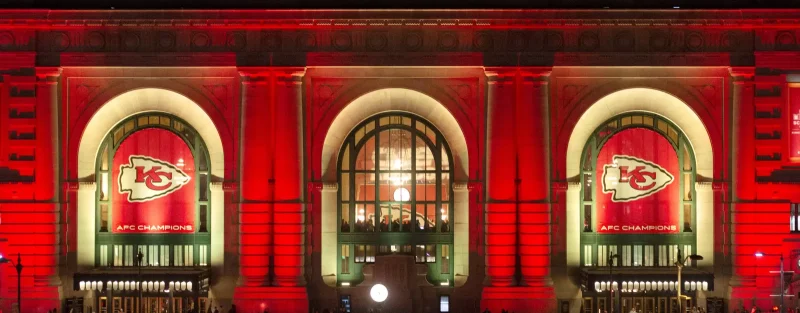
Bibliothèque et musée présidentiels Harry S. Truman
Après avoir consulté le « Manhattan Project Notebook », montez à l'étage pour découvrir une exposition permanente de la bibliothèque Truman qui retrace les réflexions quotidiennes du président avant sa décision d'utiliser la bombe atomique.
Cette institution retrace l'histoire complexe du président Truman en tant que défenseur du progrès. Au début de sa carrière politique, il a rencontré un groupe suprémaciste blanc et, en tant que sénateur, il a soutenu la ségrégation dans les logements sociaux. Une fois arrivé à la présidence, il a créé une commission sur les droits civiques en 1946 et a signé le décret 9981 le 26 juillet 1948 afin de mettre fin à la ségrégation dans l'armée américaine.
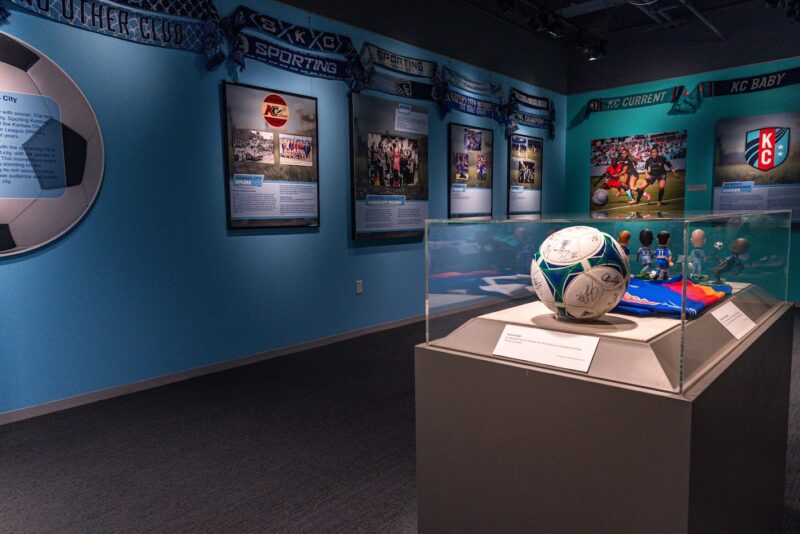
Découvrez toutes ces histoires, et bien d'autres encore, à sa bibliothèque d'Independence. De plus, cet été, une exposition spéciale sur le thème du sport est à l'affiche : « United We Play : Kicking it with the Trumans ».
Inspirée par le rôle de Kansas City en tant que ville hôte de la Coupe du monde de la FIFA 2026™, cette exposition met en lumière les liens personnels de la famille Truman avec le sport à Kansas City et au-delà, ainsi qu’une impressionnante collection de souvenirs issus des franchises sportives passées et présentes de la ville.
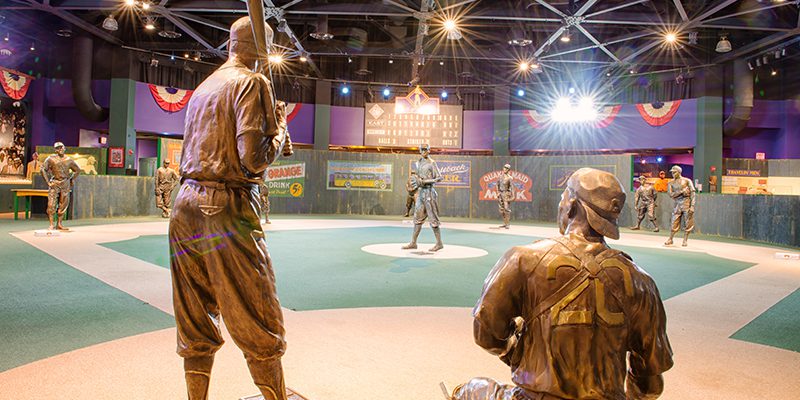
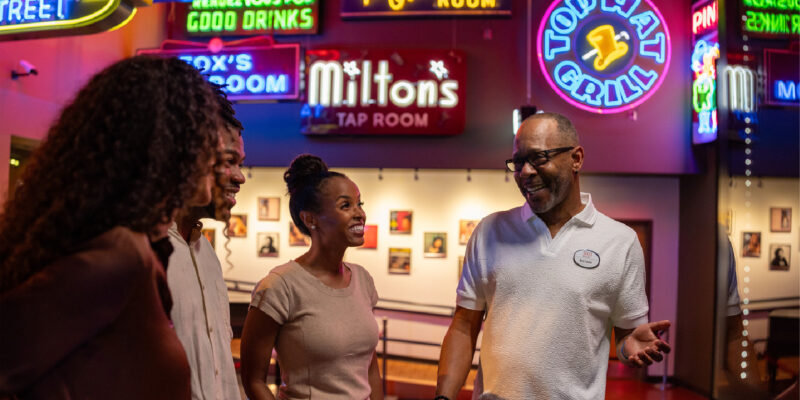
Negro Leagues Baseball Museum
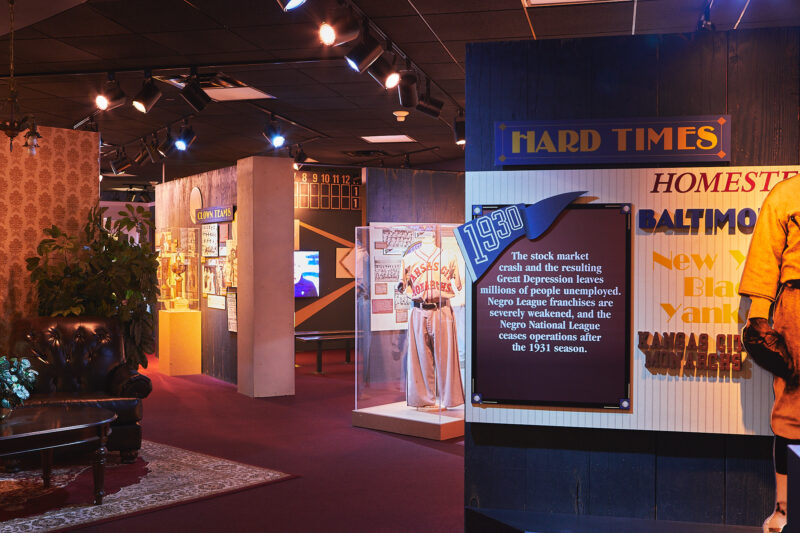
Après avoir pris connaissance du décret présidentiel n° 9981, rendez-vous au Negro Leagues Baseball Museum pour découvrir cette avancée historique dans le domaine du sport, qui a précédé la déségrégation des forces armées et qui a sans doute influencé Truman lui-même.
Le Negro Leagues Baseball Museum (NLBM) se consacre à l'héritage du baseball noir et à son rôle essentiel dans la promotion des droits civiques aux États-Unis. En 1920, la Negro National League a été fondée à l'intérieur du Paseo YMCA de Kansas City, une structure qui existe toujours dans le quartier, juste en face du NLBM.
Au cours des années et des décennies qui ont suivi, le baseball de la Negro League est devenu extrêmement populaire, mais les discriminations généralisées ont perduré. Les fans qui regardaient avec enthousiasme les joueurs noirs sur le terrain leur refusaient souvent l'accès aux restaurants, hôtels et autres établissements.
Jackie Robinson a brisé la barrière raciale dans la Ligue majeure de baseball en 1947 lorsqu'il a fait ses débuts avec les Brooklyn Dodgers, ce qui a finalement conduit à l'intégration complète et à la disparition des Negro Leagues, mais la persévérance de nombreux athlètes pionniers a laissé un héritage qui a remodelé à jamais le sport et la société américaine.
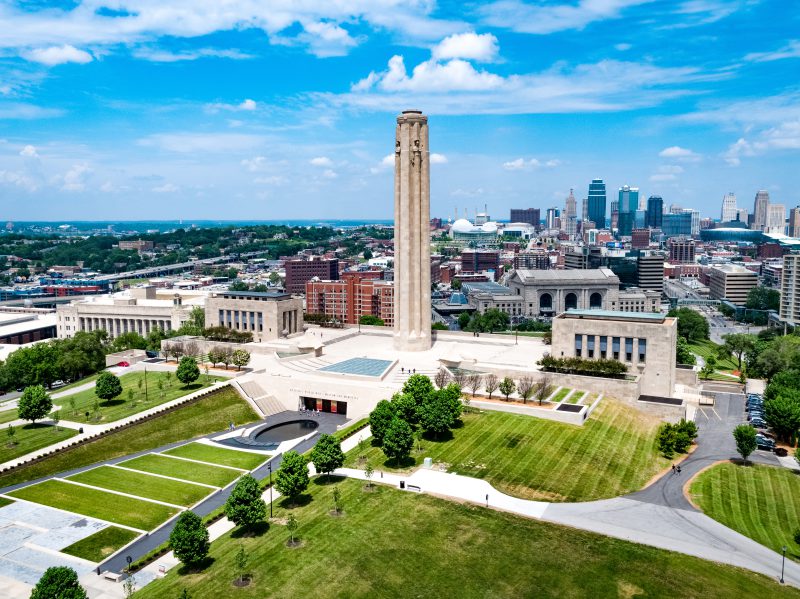
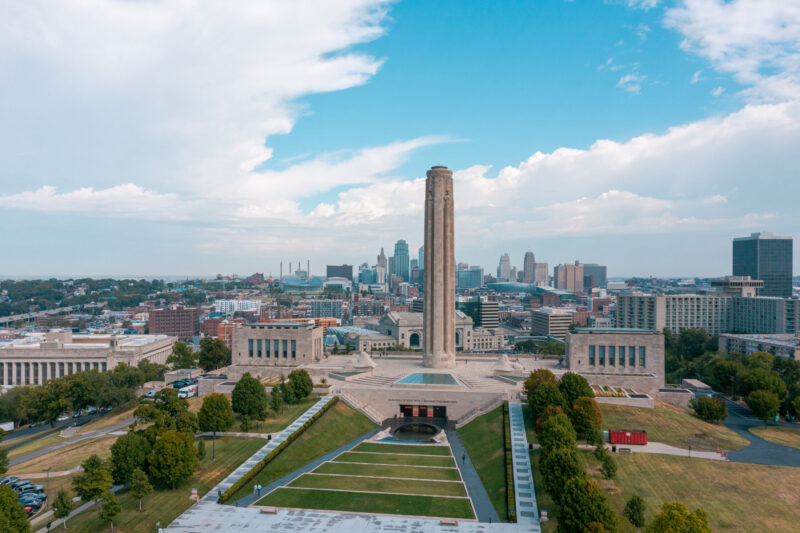
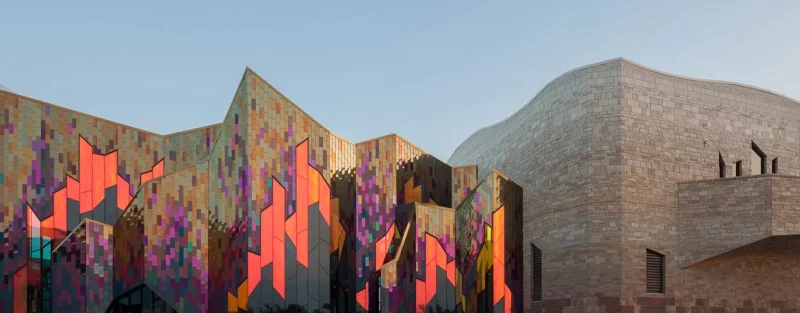
Musée et mémorial national de la Première Guerre mondiale
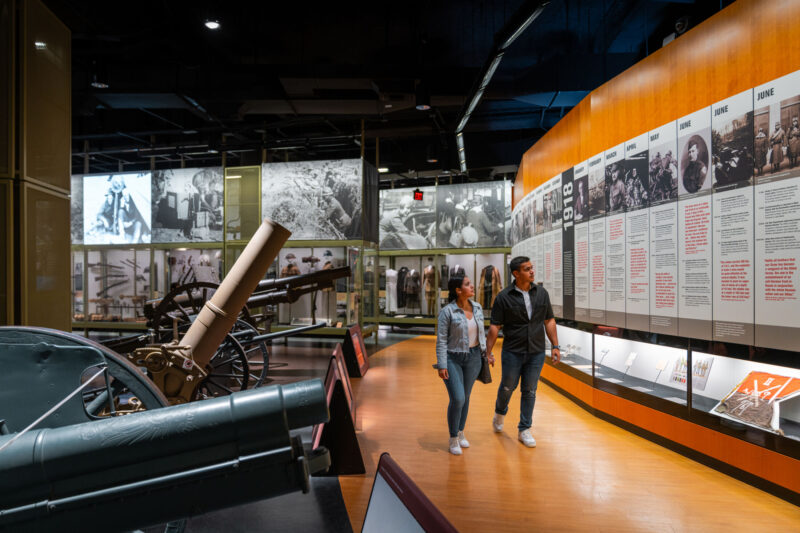
Après avoir étudié le discours des 14 points du président Woodrow Wilson, rendez-vous au Musée national et Mémorial de la Première Guerre mondiale. Découvrez-en davantage sur ce conflit mondial qui a donné lieu à une nouvelle approche de la diplomatie pacifique.
Le Musée national et Mémorial de la Première Guerre mondiale est le seul musée américain entièrement consacré à la préservation des objets, de l'histoire et des témoignages personnels liés à la Grande Guerre.
Le musée possède également la collection d'objets et de documents de la Première Guerre mondiale la plus diversifiée au monde. Les visiteurs peuvent s'immerger dans ces histoires grâce à des films interactifs, des éclairages et des effets spéciaux de haute technologie, l'entreposage ouvert d'artefacts, et bien plus encore.
Parc historique national Brown c. Board
Après avoir découvert l'arrêt historique Brown c. Board of Education, rendez-vous à Topeka pour visiter le lieu où cette bataille juridique historique pour l'égalité a débuté.
À une heure à l'ouest du centre-ville de Kansas City, explorez les moments qui ont conduit à l'une des décisions les plus importantes jamais prises par le système judiciaire américain. L'affaire Brown v. Board of Education est née dans le système scolaire de Topeka, où Lucinda Todd, enseignante devenue activiste, a incité 13 familles à inscrire leurs enfants dans les écoles blanches locales.
Leur refus est devenu la base d'un procès qui s'est rendu jusqu'à la Cour suprême, où les juges ont choisi à l'unanimité d'annuler la doctrine "séparé mais égal" établie précédemment par l'arrêt Plessy v. Ferguson. Cette décision a mis fin à la ségrégation légale dans le système scolaire public américain et, bien qu'elle ait suscité une forte résistance dans certains établissements à travers le pays, elle reste l'une des actions les plus importantes de l'histoire judiciaire du pays.
Visitez le parc historique national Brown v. Board of Education et pénétrez dans l'école Monroe pour une visite autoguidée, qui comprend un film d'introduction de 30 minutes, une exposition détaillant la longue lutte pour l'égalité raciale dans le système scolaire américain et une exploration de l'impact durable de la décision.