Instellingen in het hele land vieren in 2026 de 250e verjaardag van Amerika, en dit voorjaar zijn enkele van de belangrijkste historische documenten van het land te zien in een van de toonaangevende musea in de omgeving van Kansas City.
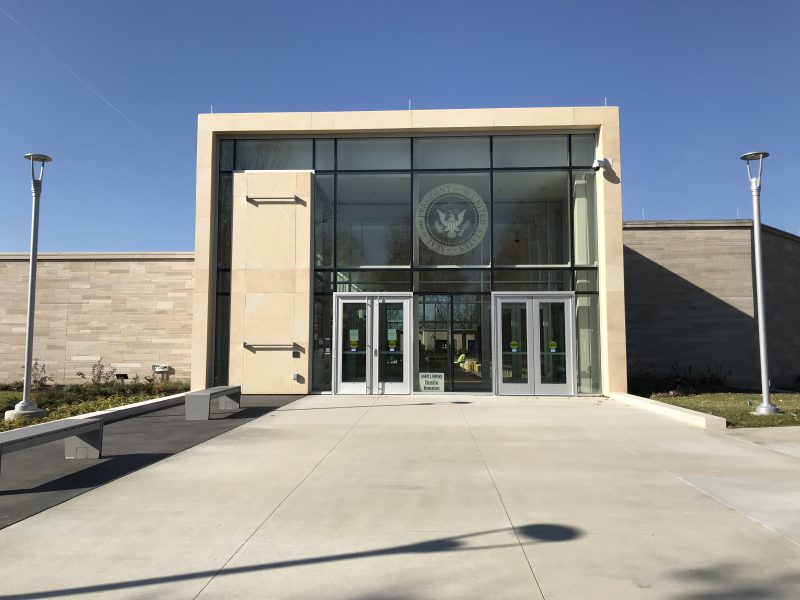
In samenwerking met America250heeft de Harry S. Truman Presidential Library and Museum brengt bijna twee dozijn uiterst belangrijke artefacten uit de Amerikaanse geschiedenis naar Independence met Opening the Vault: The Story of US. Veel van de documenten zijn nog nooit eerder buiten het Nationaal Archief tentoongesteld.
Bovendien hebben veel stukken een directe band met de regio Kansas City en de beslissingen die president Truman tijdens zijn ambtsperiode nam, van het Missouri-compromis en de uitspraak in de zaak Brown v. Board of Education (die zijn oorsprong vond in het nabijgelegen Topeka) tot Executive Order 9981, waarmee de rassenscheiding binnen de Amerikaanse strijdkrachten werd opgeheven.
De Truman Library is nog tot en met 24 mei geopend en biedt onder meer de volgende kostbare documenten te bezichtigen:
- Het oorspronkelijke ontwerp van het Grote Zegel van de Verenigde Staten, 1782: het ontwerp is na meer dan twee eeuwen nog steeds in gebruik.
- Verdrag van Parijs, 1783: Dit verdrag maakte een einde aan de Amerikaanse Onafhankelijkheidsoorlog en erkende de Amerikaanse onafhankelijkheid.
- Bill of Rights (herzieningen door de Senaat), 1789: In dit document, waarin de fundamentele vrijheden van Amerika worden uiteengezet, zijn de vroege wijzigingen van de Senaat terug te vinden.
- De Louisiana-aankoop, 1803: Door deze aankoop verdubbelde de oppervlakte van de Verenigde Staten.
- Het Missouri-compromis, 1820: De spanningen tussen de vrije staten en de slavenstaten werden bijgelegd door middel van de voorwaarden die in het Missouri-compromis waren vastgelegd.
- Het Compromis van 1850: Toen er na de Mexicaans-Amerikaanse Oorlog nieuwe gebieden werden veroverd, werd er opnieuw een poging ondernomen om de spanningen tussen de vrijstaat- en de slavenstaten te verminderen.
- De Kansas-Nebraska-wet van 1854: Deze wet maakte in feite een einde aan het Missouri-compromis en leidde tot de conflicten die bekendstaan als ‘Bleeding Kansas’ – een voorloper van de Burgeroorlog.
- Dred Scott tegen Sandford, 1857: door deze uitspraak van het Hooggerechtshof werd het staatsburgerschap voor Afro-Amerikanen geweigerd.
- Telegram waarin de overgave van Fort Sumter wordt aangekondigd, 1861: Toen het Amerikaanse leger Fort Sumter aan de troepen van de Confederatie overgaf, brak de Amerikaanse Burgeroorlog uit.
- Gezamenlijke resolutie tot voorstel van het dertiende amendement, 1865: Deze resolutie, die in december 1865 werd geratificeerd, stelde de afschaffing van de slavernij in de Verenigde Staten voor.
- Uitspraak in de zaak Plessy tegen Ferguson, 1896: In deze uitspraak van het Hooggerechtshof werd segregatie grondwettelijk verklaard, waarmee de doctrine van „gescheiden maar gelijkwaardig“ werd vastgelegd.
- De toespraak van president Woodrow Wilson over de 14 punten, 1918: In deze toespraak voor het Congres werd een blauwdruk voor vrede na de Eerste Wereldoorlog gepresenteerd.
- Notitieboekje van het Manhattan-project, 1942: Handgeschreven aantekeningen geven een gedetailleerd overzicht van het project dat tot de atoombom leidde.
- De capitulatie van Duitsland, 1945: Met dit document kwam er een einde aan de Tweede Wereldoorlog in Europa.
- Uitvoeringsbesluit 9981, 1945: president Harry S. Truman ondertekende dit besluit om de rassenscheiding binnen de Amerikaanse strijdkrachten op te heffen.
- Noord-Atlantisch Verdrag, 1949: De Noord-Atlantische Verdragsorganisatie (NAVO) werd na de Tweede Wereldoorlog opgericht en gaf daarmee een nieuwe vorm aan de mondiale veiligheid.
- Wapenstilstandsovereenkomst voor het herstel van de Zuid-Koreaanse staat, 1953: De actieve vijandelijkheden werden gestaakt en de gedemilitariseerde zone in Korea werd ingesteld.
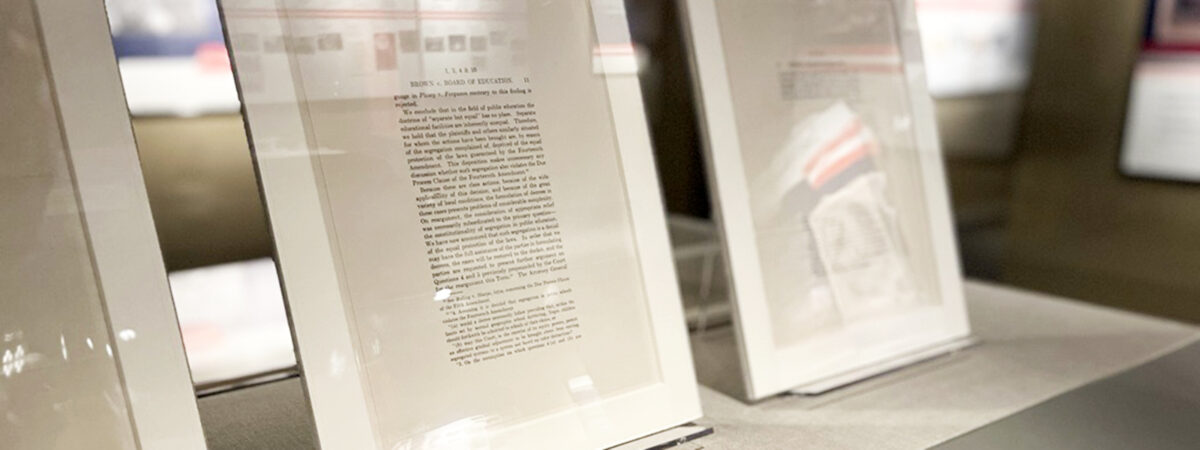
- Brown v. Board of Education, 1954: Deze baanbrekende uitspraak van het Hooggerechtshof, die zijn oorsprong vond in het nabijgelegen Topeka, maakte een einde aan het eerdere principe van „gescheiden maar gelijkwaardig“.
- Uitvoeringsbesluit 10730: Desegregatie van Central High School, 1957: President Dwight D. Eisenhower stuurde troepen om de desegregatie op een middelbare school in Little Rock af te dwingen.
- De Stemrechtwet van 1965: Met deze baanbrekende wet werd het stemrecht vastgelegd en werden belemmeringen voor de democratie weggenomen.
- Gezamenlijke resolutie tot voorstel voor het zesentwintigste amendement, 1971: Naar aanleiding van het jongerenactivisme tijdens de Vietnamoorlog werd de kiesgerechtigde leeftijd verlaagd naar 18 jaar.
Als u deze zeldzame documenten eenmaal hebt kunnen bekijken, kunt u zich verdiepen in de gebeurtenissen die eraan ten grondslag liggen en de lokale verbanden in de hele regio ontdekken.
Lees verder voor tips om de geschiedenis te ontdekken, van de Truman Library tot instellingen in de hele regio Kansas City.
Harry S. Truman Presidentiële Bibliotheek en Museum
Nadat u het Manhattan Project Notebook hebt bekeken, gaat u naar boven om in de Truman Library een permanente tentoonstelling te bekijken die ingaat op de dagelijkse afwegingen die de president maakte in de aanloop naar zijn besluit om de atoombom in te zetten.
De instelling vertelt het complexe verhaal van president Trumans rol als voorvechter van vooruitgang. In het begin van zijn politieke carrière had hij contact met een groep voorstanders van blanke suprematie en als senator pleitte hij voor gesegregeerde sociale woningbouw. Toen hij president werd, richtte hij in 1946 een commissie voor burgerrechten op en ondertekende hij op 26 juli 1948 Executive Order 9981 om de rassenscheiding in het Amerikaanse leger op te heffen.
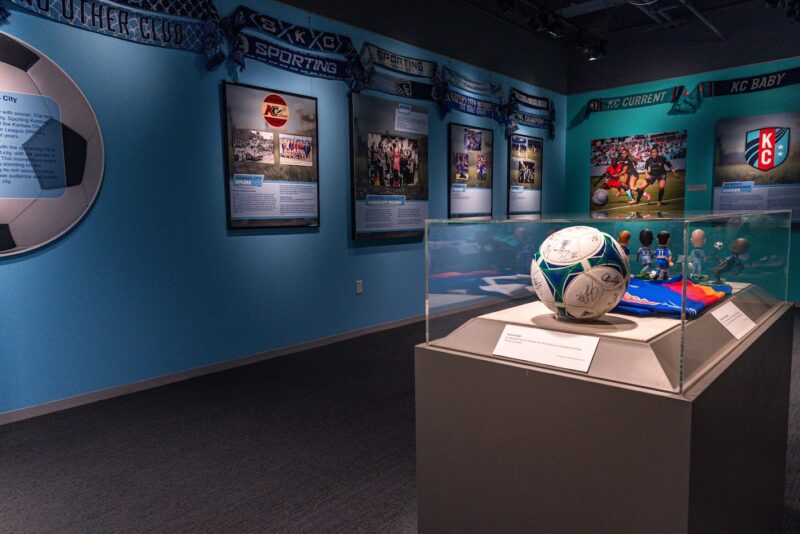
Ontdek al deze verhalen, en nog veel meer, in zijn bibliotheek in Independence. Bovendien is er deze zomer een speciale, op sport geïnspireerde tentoonstelling te zien : United We Play: Kicking it with the Trumans.
Geïnspireerd door de rol van Kansas City als gaststad voor het WK voetbal 2026™, belicht de tentoonstelling de persoonlijke banden van de familie Truman met de sportwereld in Kansas City en daarbuiten, en toont ze een indrukwekkende verzameling memorabilia van de vroegere en huidige sportclubs van de stad.
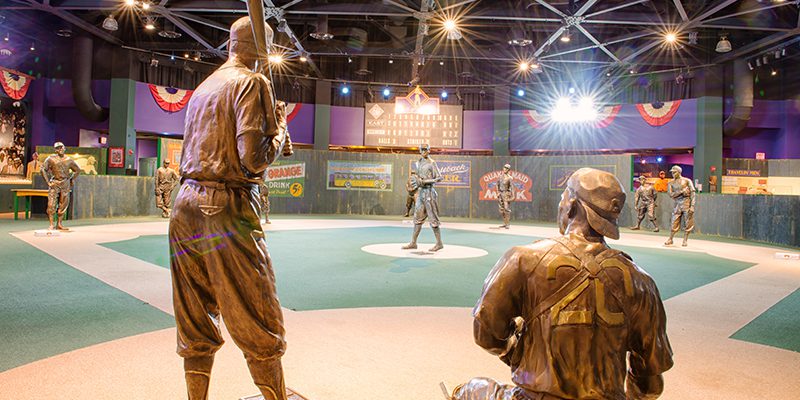
Negro Leagues Honkbalmuseum
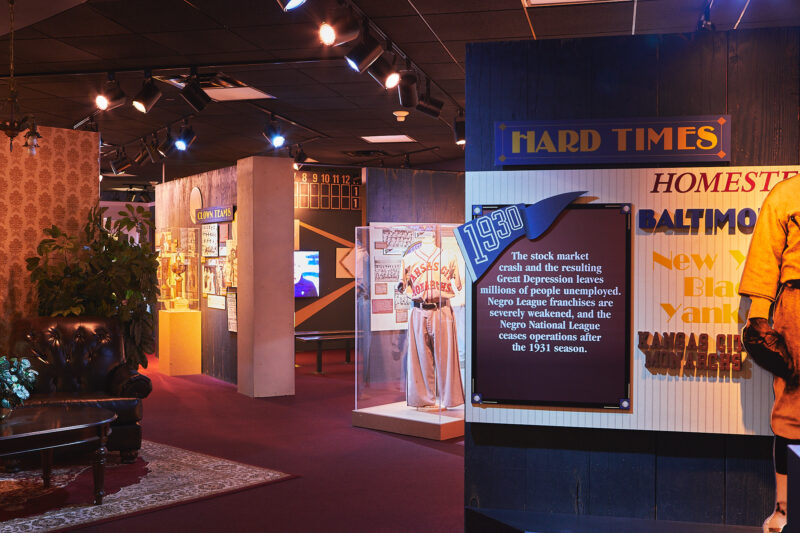
Bekijk na het lezen van Executive Order 9981 het Negro Leagues Baseball Museum om meer te weten te komen over deze baanbrekende stap in de sportwereld, die nog voorafging aan de desegregatie van de strijdkrachten – en waarschijnlijk ook Truman zelf heeft beïnvloed.
Het Negro Leagues Baseball Museum (NLBM) wijdt zich aan de erfenis van het zwarte honkbal en de cruciale rol die het heeft gespeeld bij het bevorderen van de Amerikaanse burgerrechten. In 1920 werd de Negro National League opgericht in de Paseo YMCA van Kansas City - een gebouw dat nog steeds in de buurt staat, tegenover het NLBM.
In de jaren en decennia die volgden, werd honkbal in de Negro League enorm populair, maar de bredere patronen van discriminatie bleven bestaan. Fans die enthousiast naar zwarte spelers op het veld keken, weigerden hen vaak service in restaurants, hotels en andere etablissementen.
Jackie Robinson doorbrak in 1947 de kleurenbarrière in de Major League Baseball toen hij zijn debuut maakte voor de Brooklyn Dodgers, wat uiteindelijk leidde tot volledige integratie en het verdwijnen van de Negro Leagues. Maar het doorzettingsvermogen van vele baanbrekende atleten heeft een erfenis achtergelaten die de sport en de Amerikaanse samenleving voorgoed heeft veranderd.
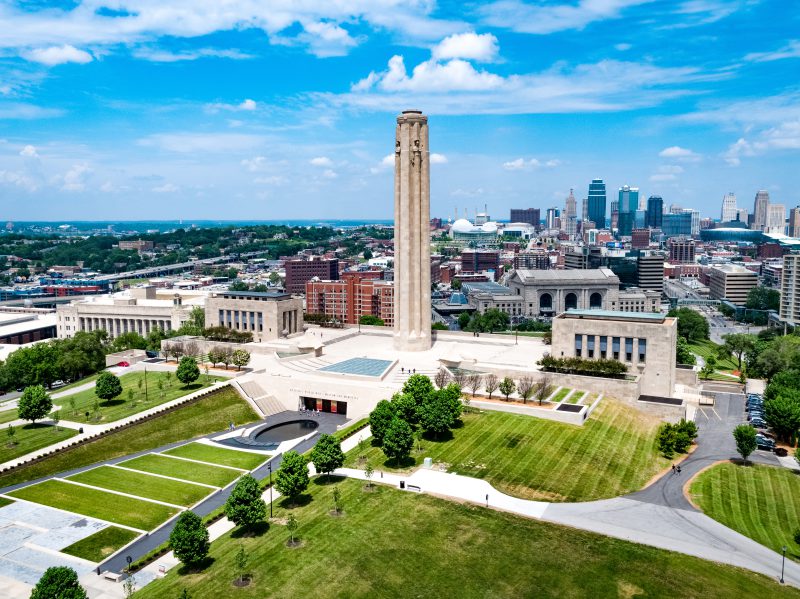
Nationaal WO I Museum en Monument
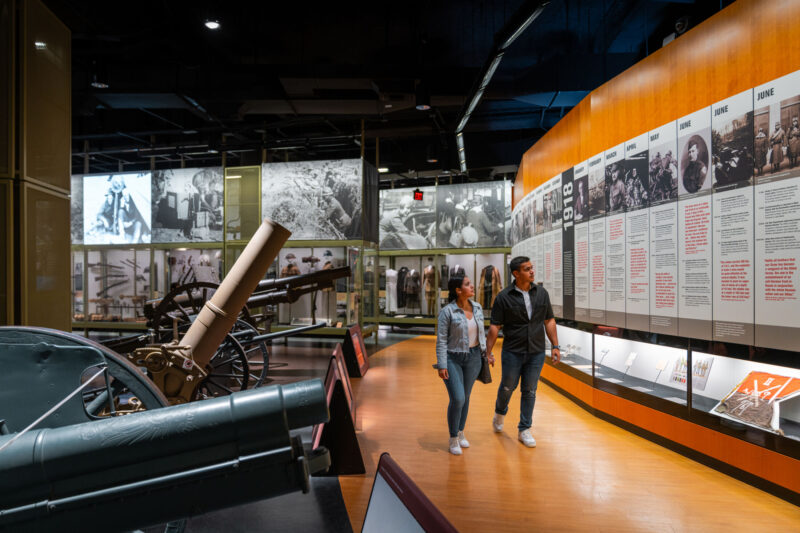
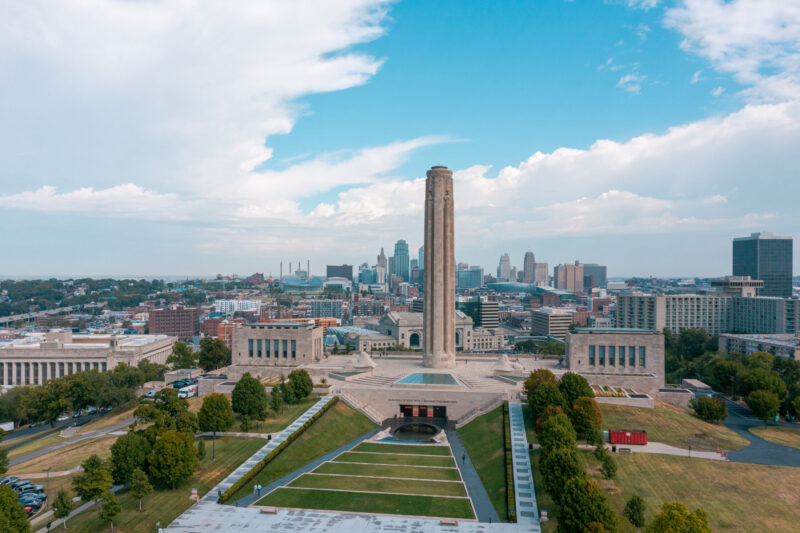
Bekijk na het bestuderen van de toespraak van president Woodrow Wilson over de 14 punten het Nationaal Museum en Monument voor de Eerste Wereldoorlog. Kom meer te weten over het wereldwijde conflict dat leidde tot een nieuw voorstel voor vreedzame diplomatie.
Het National WWI Museum and Memorial is het enige Amerikaanse museum dat zich uitsluitend richt op het bewaren van de voorwerpen, de geschiedenis en de persoonlijke ervaringen van de Eerste Wereldoorlog.
Het museum heeft ook de meest diverse collectie voorwerpen en documenten uit de Eerste Wereldoorlog ter wereld. Gasten kunnen zich onderdompelen in deze verhalen met interactieve films, hightech verlichting en speciale effecten, open opslag van artefacten en nog veel meer.
Brown v. Board Nationaal Historisch Park
Bezoek na het bekijken van de historische uitspraak in de zaak Brown v. Board of Education eens Topeka en bekijk de plek waar deze baanbrekende juridische strijd voor gelijkheid begon.
Op een uur ten westen van het centrum van Kansas City kun je de momenten verkennen die hebben geleid tot een van de belangrijkste beslissingen ooit genomen door het Amerikaanse rechtssysteem. Brown v. Board of Education kwam voort uit het schoolsysteem van Topeka, waar lerares en activiste Lucinda Todd 13 families ertoe aanzette om hun kinderen in te schrijven op lokale blanke scholen.
Hun weigering werd de basis van een rechtszaak die doorging tot aan het Hooggerechtshof, waar de rechters unaniem besloten om de "gescheiden maar gelijk" doctrine, die eerder was vastgelegd door Plessy v. Ferguson, te herroepen. De beslissing maakte een einde aan de wettelijke segregatie van het Amerikaanse openbare schoolsysteem en hoewel het leidde tot hevig verzet op locaties in het hele land, blijft het een van de meest ingrijpende acties in de gerechtelijke geschiedenis van het land.
Bezoek het Brown v. Board of Education National Historical Park en stap de Monroe School binnen voor een rondleiding op eigen gelegenheid, met een inleidende film van 30 minuten, een tentoonstelling over de lange strijd voor rassengelijkheid in het Amerikaanse schoolsysteem en een verkenning van de blijvende invloed van de beslissing.