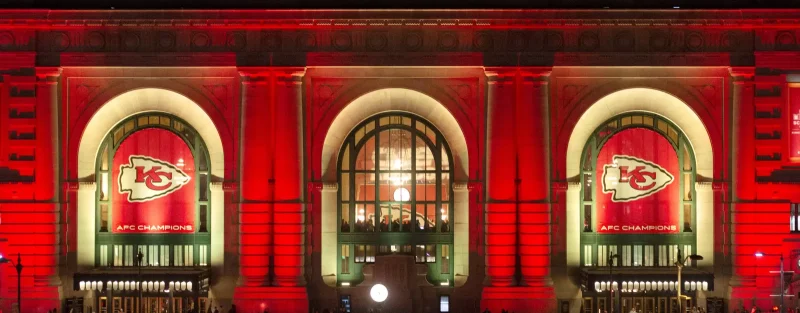
Instituciones de todo el país están conmemorando el 250.º aniversario de Estados Unidos en 2026 y, esta primavera, algunos de los documentos históricos más importantes del país se exponen en uno de los principales museos de la zona de Kansas City.
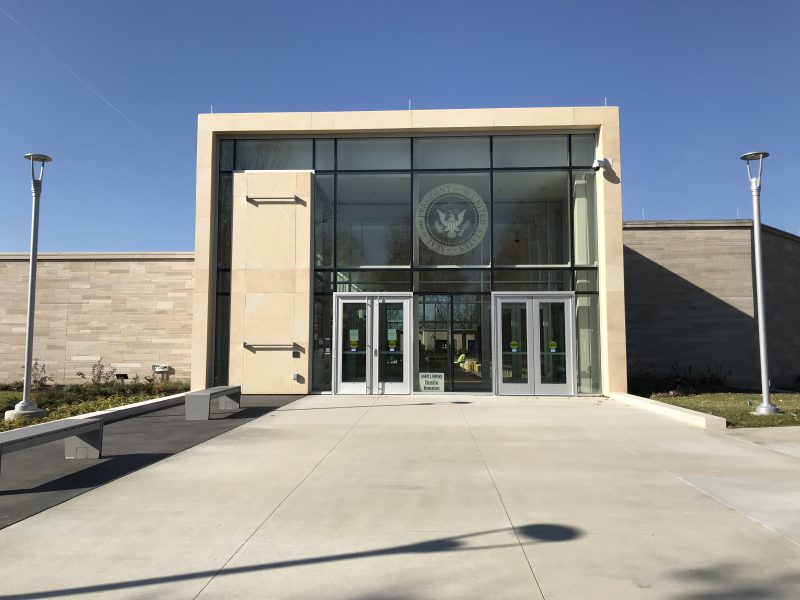
En colaboración con America250, la Biblioteca y Museo Presidencial Harry S. Truman trae a Independence casi dos docenas de objetos de gran importancia para la historia de Estados Unidos con la exposición «Opening the Vault: The Story of US». Muchos de los documentos nunca antes se habían expuesto fuera de los Archivos Nacionales.
Además, muchas de las piezas guardan un vínculo directo con la región de Kansas City y con las decisiones que tomó el presidente Truman durante su mandato, desde el Compromiso de Missouri y la sentencia del caso Brown contra la Junta de Educación (que tuvo su origen en la cercana Topeka) hasta el Decreto Ejecutivo 9981, que puso fin a la segregación en las Fuerzas Armadas de los Estados Unidos.
Abierta hasta el 24 de mayo, entre los valiosos documentos que se pueden consultar en la Biblioteca Truman se incluyen:
- Diseño original del Gran Sello de los Estados Unidos, 1782: El diseño sigue utilizándose después de más de dos siglos.
- Tratado de París, 1783: El acuerdo puso fin a la Guerra de la Independencia y reconoció la independencia de Estados Unidos.
- Declaración de Derechos (Revisiones del Senado), 1789: En este documento, que recoge las libertades fundamentales de Estados Unidos, se pueden apreciar las primeras modificaciones introducidas por el Senado.
- La Compra de Luisiana, 1803: Esta adquisición duplicó la superficie de los Estados Unidos.
- El Compromiso de Missouri, 1820: Las tensiones entre los estados libres y los esclavistas se resolvieron mediante las condiciones establecidas en el Compromiso de Missouri.
- El Compromiso de 1850: Se puso en marcha una nueva iniciativa para aliviar las tensiones entre los estados libres y los esclavistas a medida que se iban adquiriendo nuevos territorios tras la Guerra México-Estadounidense.
- Ley de Kansas-Nebraska, 1854: Al derogar de hecho el Compromiso de Missouri, la Ley de Kansas-Nebraska provocó los conflictos conocidos como el «Kansas sangrante», precursores de la Guerra Civil.
- Dred Scott contra Sandford, 1857: esta sentencia del Tribunal Supremo negó la ciudadanía a los afroamericanos.
- Telegrama en el que se anuncia la rendición de Fort Sumter, 1861: Cuando el Ejército de los Estados Unidos entregó Fort Sumter a las fuerzas confederadas, dio comienzo la Guerra Civil estadounidense.
- Resolución conjunta por la que se propone la Decimotercera Enmienda, 1865: Ratificada en diciembre de 1865, la resolución proponía la abolición de la esclavitud en los Estados Unidos.
- Sentencia del caso Plessy contra Ferguson, 1896: en esta resolución del Tribunal Supremo se declaró constitucional la segregación, estableciendo la doctrina de «separados pero iguales».
- Discurso del presidente Woodrow Wilson sobre los 14 puntos, 1918: El discurso ante el Congreso presentó un plan para la paz tras la Primera Guerra Mundial.
- Cuaderno del Proyecto Manhattan, 1942: unas notas manuscritas que detallan el proyecto que dio lugar a la bomba atómica.
- Rendición de Alemania, 1945: Con este documento, la Segunda Guerra Mundial llegó a su fin en Europa.
- Decreto Ejecutivo n.º 9981, 1945: El presidente Harry S. Truman firmó este decreto para poner fin a la segregación racial en las Fuerzas Armadas de los Estados Unidos.
- Tratado del Atlántico Norte, 1949: La Organización del Tratado del Atlántico Norte se fundó tras la Segunda Guerra Mundial, lo que supuso un cambio radical en la seguridad mundial.
- Acuerdo de Armisticio para la Restauración del Estado de Corea del Sur, 1953: cesaron las hostilidades activas y se estableció la Zona Desmilitarizada de Corea.
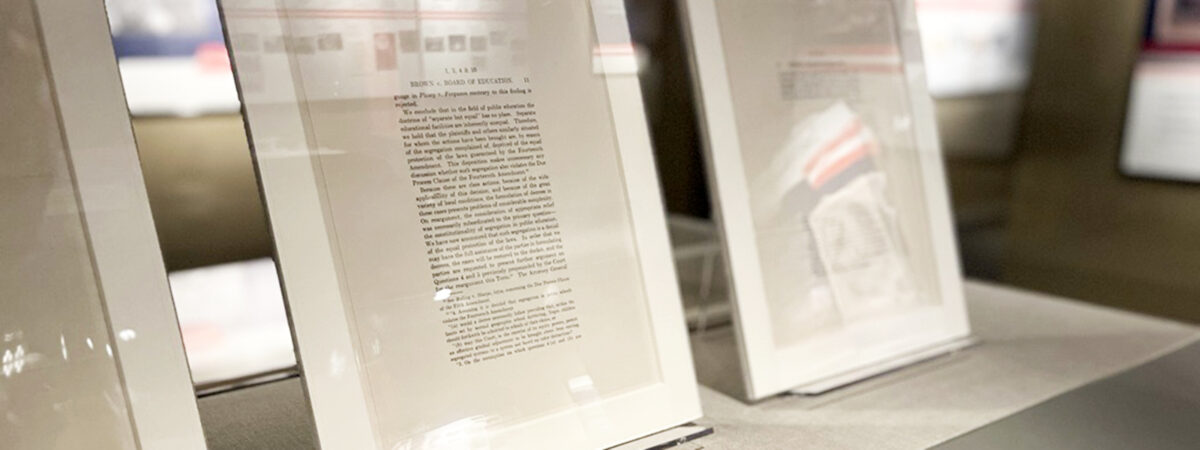
- Brown contra la Junta de Educación, 1954: esta histórica sentencia del Tribunal Supremo, que tuvo su origen en la cercana ciudad de Topeka, anuló la anterior doctrina de «separados pero iguales».
- Orden ejecutiva n.º 10730: Desegregación del instituto Central High School, 1957: el presidente Dwight D. Eisenhower envió tropas para hacer cumplir la desegregación en un instituto de Little Rock.
- Ley del Derecho al Voto de 1965: El derecho al voto quedó consagrado en esta ley fundamental, que eliminó los obstáculos a la democracia.
- Resolución conjunta por la que se propone la vigésimo sexta enmienda, 1971: A raíz del activismo juvenil durante la época de la guerra de Vietnam, la edad mínima para votar se redujo a los 18 años.
Una vez que hayas tenido la oportunidad de ver estos documentos excepcionales en la exposición, podrás profundizar en los acontecimientos que los dieron lugar y descubrir los vínculos locales que se extienden por toda la región.
Sigue leyendo para descubrir cómo puedes recorrer la historia desde la Biblioteca Truman hasta las instituciones de toda la zona de Kansas City.
Biblioteca y Museo Presidencial Harry S. Truman
Después de ver el «Cuaderno del Proyecto Manhattan», sube las escaleras para visitar una exposición permanente de la Biblioteca Truman que analiza las consideraciones que el presidente tuvo en cuenta día a día antes de tomar la decisión de utilizar la bomba atómica.
La institución narra la compleja trayectoria del presidente Truman como defensor del progreso. Al inicio de su carrera política se reunió con un grupo supremacista blanco y, como senador, promovió la segregación en las viviendas públicas. Al asumir la presidencia, creó una comisión de derechos civiles en 1946 y firmó el Decreto Ejecutivo n.º 9981 el 26 de julio de 1948 para poner fin a la segregación en las Fuerzas Armadas de los Estados Unidos.
Descubre todas estas historias, y muchas más, en su biblioteca de Independence. Además, este verano se presenta una exposición especial inspirada en el deporte, titulada «United We Play: Kicking it with the Trumans».
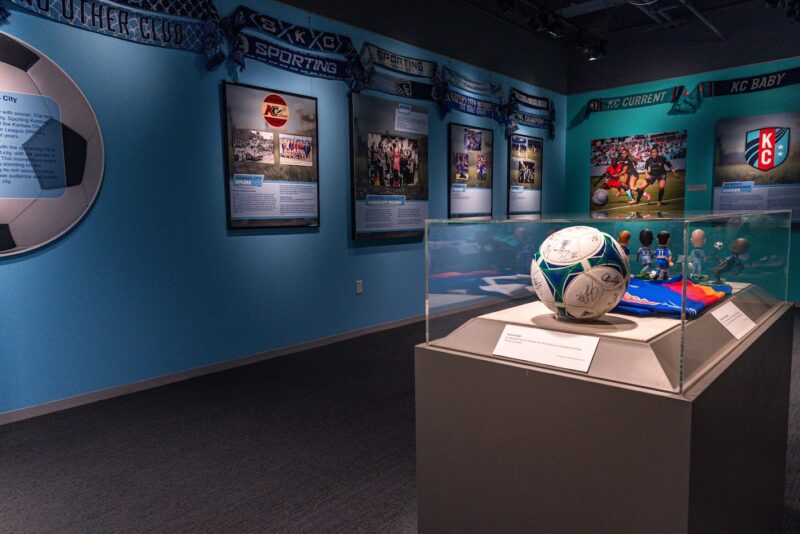
Inspirada en el papel de Kansas City como ciudad anfitriona de la Copa Mundial de la FIFA 2026™, la exposición muestra los vínculos personales de la familia Truman con el deporte en Kansas City y más allá, además de una impresionante colección de objetos de interés relacionados con las franquicias deportivas pasadas y presentes de la ciudad.
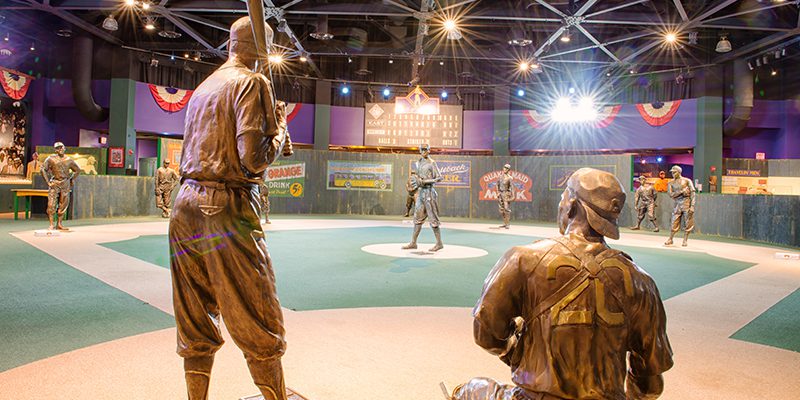
Museo de las Ligas Negras de Béisbol
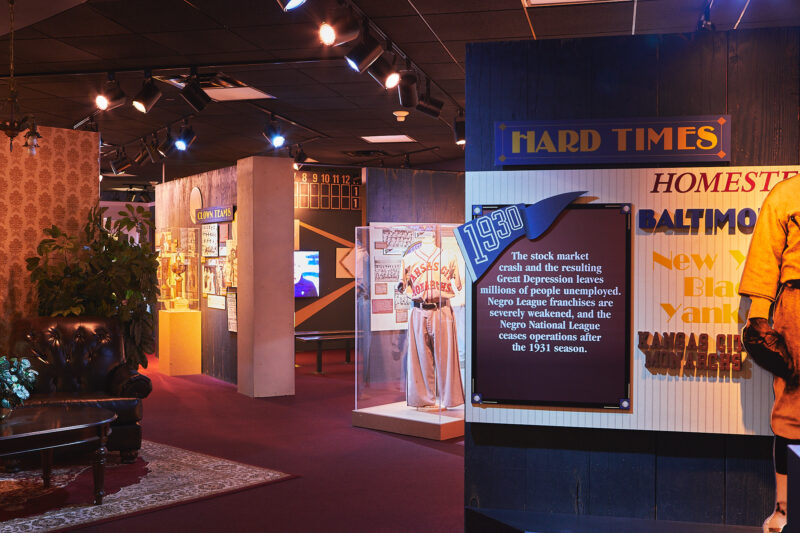
Después de consultar el Decreto Ejecutivo 9981, visita el Museo del Béisbol de las Ligas Negras para conocer este paso trascendental en el mundo del deporte, que precedió a la desegregación de las Fuerzas Armadas y que probablemente influyó en el propio Truman.
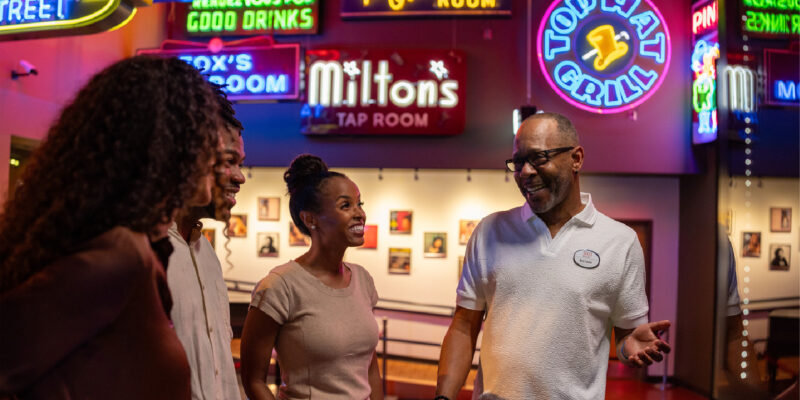
El Museo del Béisbol de las Ligas Negras (NLBM) se dedica al legado del béisbol negro y a su papel fundamental en el avance de los derechos civiles estadounidenses. En 1920, la Negro National League se fundó en el Paseo YMCA de Kansas City, una estructura que aún se conserva en el barrio, justo enfrente del NLBM.
En los años y décadas siguientes, el béisbol de la Liga Negra se hizo inmensamente popular, pero los patrones generales de discriminación continuaron. Los aficionados que veían con entusiasmo a los jugadores negros en el campo a menudo les negaban el servicio en restaurantes, hoteles y otros establecimientos.
Jackie Robinson rompió la barrera racial de la Major League Baseball en 1947 cuando debutó con los Brooklyn Dodgers, lo que finalmente condujo a la integración total y al fin de las Ligas Negras, pero la perseverancia de muchos atletas pioneros dejó un legado que transformó para siempre el deporte y la sociedad estadounidense.
Museo Nacional y Memorial de la Primera Guerra Mundial
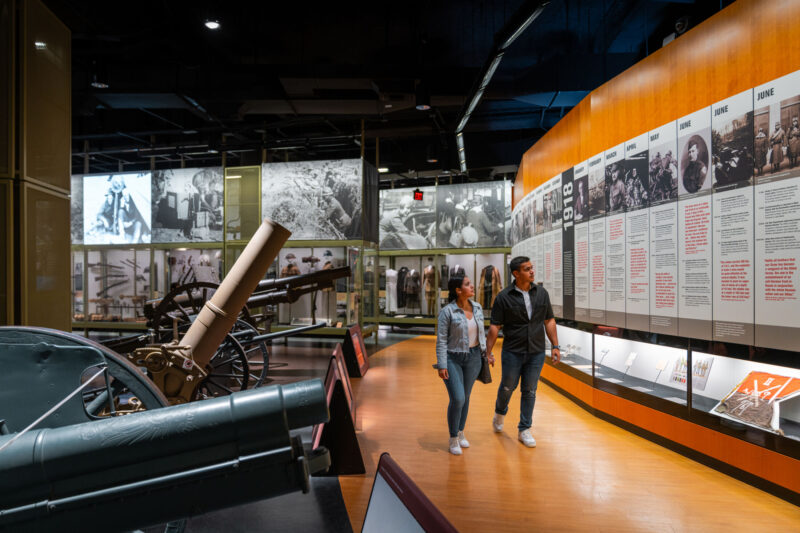
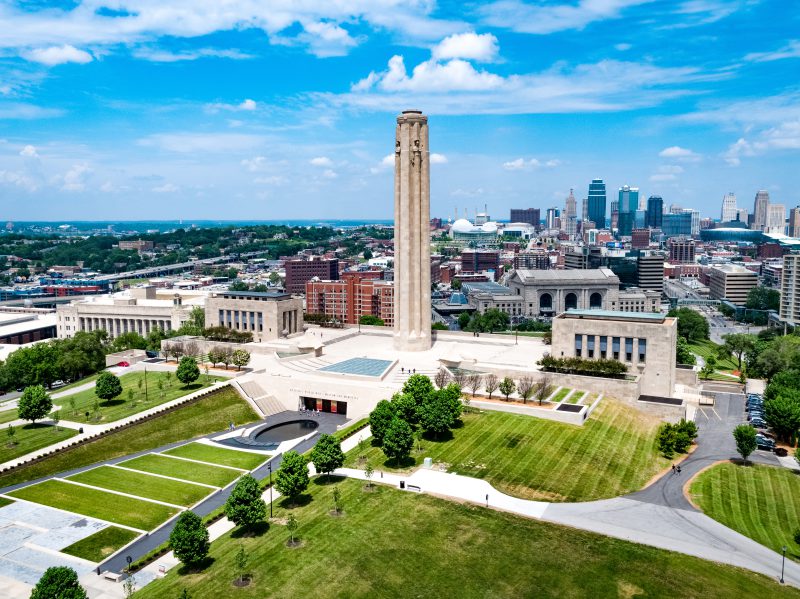
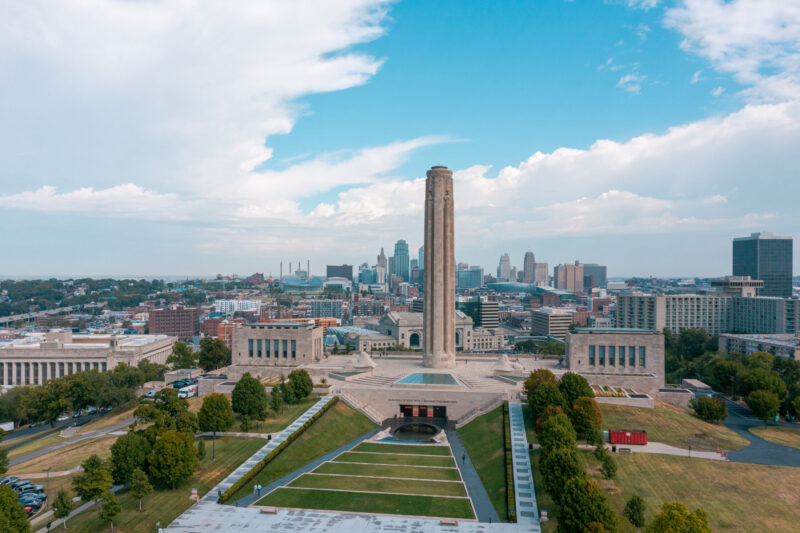
Tras analizar el discurso de los 14 puntos del presidente Woodrow Wilson, visita el Museo y Monumento Nacional de la Primera Guerra Mundial. Descubre más sobre el conflicto mundial que dio lugar a una nueva propuesta de diplomacia pacífica.
El Museo y Monumento Nacional de la Primera Guerra Mundial es el único museo estadounidense dedicado exclusivamente a preservar los objetos, la historia y las experiencias personales de la Gran Guerra.
El museo también alberga la colección de objetos y documentos de la Primera Guerra Mundial más diversa del mundo. Los visitantes pueden sumergirse en estas historias con películas interactivas, iluminación de alta tecnología y efectos especiales, almacenamiento abierto de artefactos y mucho más.
Parque Histórico Nacional Brown contra la Junta Escolar
Después de ver la histórica sentencia del caso Brown contra la Junta de Educación, haz una excursión a Topeka y visita el lugar donde comenzó esta batalla legal histórica en favor de la igualdad.
A una hora al oeste del centro de Kansas City, explore los momentos que condujeron a una de las decisiones más importantes jamás tomadas por el sistema judicial estadounidense. El caso Brown contra la Junta de Educación surgió en el sistema escolar de Topeka, donde la maestra convertida en activista Lucinda Todd llevó a 13 familias a matricular a sus hijos en las escuelas blancas locales.
Su negativa se convirtió en la base de una demanda que llegó hasta el Tribunal Supremo, donde los jueces decidieron por unanimidad anular la doctrina de "separados pero iguales" establecida previamente por el caso Plessy contra Ferguson. La decisión puso fin a la segregación legal del sistema escolar público estadounidense y, aunque provocó una intensa resistencia en centros de todo el país, sigue siendo una de las acciones más trascendentales de la historia judicial del país.
Visite el Brown v. Board of Education National Historical Park y entre en la Monroe School para realizar una visita autoguiada, que incluye una película introductoria de 30 minutos, una exposición que detalla la larga lucha por la igualdad racial en el sistema escolar estadounidense y una exploración del impacto duradero de la decisión.