Im Jahr 2026 feiern Einrichtungen im ganzen Land den 250. Jahrestag der Gründung der Vereinigten Staaten, und in diesem Frühjahr sind einige der bedeutendsten historischen Dokumente des Landes in einem der führenden Museen der Region Kansas City zu sehen.
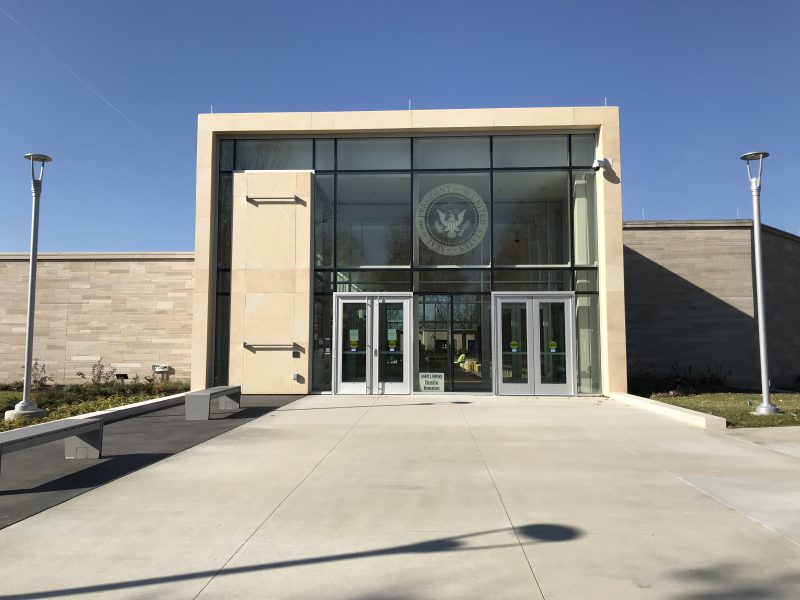
In Zusammenarbeit mit America250, der Harry S. Truman Presidential Library and Museum mit der Ausstellung „Opening the Vault: The Story of US“ fast zwei Dutzend äußerst wichtige Artefakte der amerikanischen Geschichte nach Independence. Viele dieser Dokumente wurden bisher noch nie außerhalb der National Archives ausgestellt.
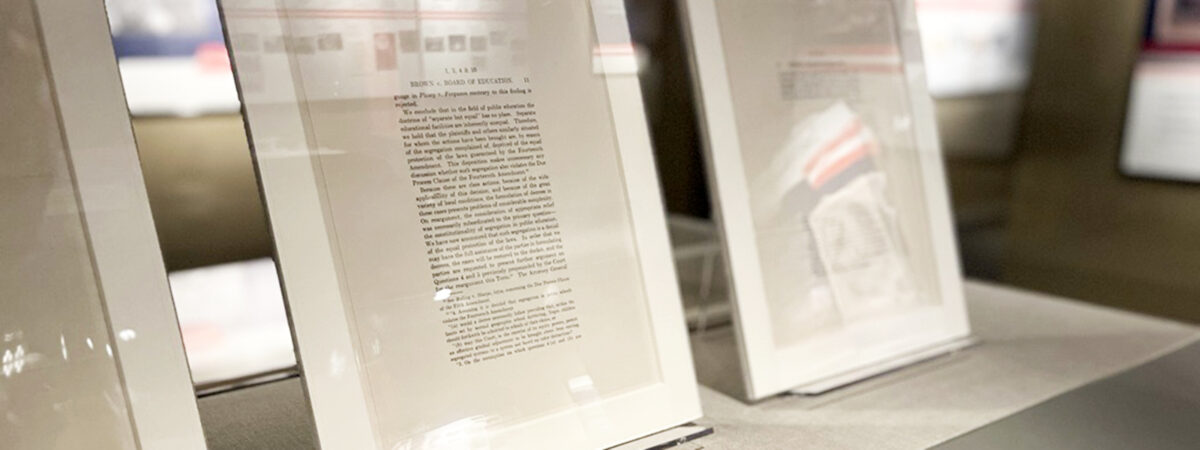
Zudem weisen viele Exponate einen direkten Bezug zur Region Kansas City und zu den Entscheidungen von Präsident Truman während seiner Amtszeit auf, vom Missouri-Kompromiss über das Urteil im Fall „Brown gegen Board of Education“ (das seinen Ursprung im nahegelegenen Topeka hat) bis hin zur Executive Order 9981 zur Aufhebung der Rassentrennung in den US-Streitkräften.
Die Truman Library ist bis zum 24. Mai geöffnet. Zu den wertvollen Dokumenten, die dort besichtigt werden können, gehören:
- Der ursprüngliche Entwurf des Großen Siegels der Vereinigten Staaten, 1782: Das Design ist auch nach mehr als zwei Jahrhunderten noch immer in Gebrauch.
- Französisch-Amerikanischer Friedensvertrag von 1783: Der Vertrag beendete den Unabhängigkeitskrieg und erkannte die Unabhängigkeit der Vereinigten Staaten an.
- Grundrechtekatalog (Überarbeitungen des Senats), 1789: In diesem Dokument, das die grundlegenden Freiheiten Amerikas umreißt, sind die frühen Änderungen des Senats zu sehen.
- Der Louisiana-Kauf, 1803: Durch diesen Erwerb verdoppelte sich die Fläche der Vereinigten Staaten.
- Missouri-Kompromiss, 1820: Die Spannungen zwischen den Freistaaten und den Sklavenstaaten wurden durch die im Missouri-Kompromiss festgelegten Bedingungen beigelegt.
- Der Kompromiss von 1850: Ein weiterer Versuch, die Spannungen zwischen den Freistaaten und den Sklavenstaaten abzubauen, wurde unternommen, als nach dem Mexikanisch-Amerikanischen Krieg neue Gebiete erworben wurden.
- Kansas-Nebraska-Gesetz von 1854: Das Kansas-Nebraska-Gesetz hob den Missouri-Kompromiss faktisch auf und führte zu den als „Bleeding Kansas“ bekannten Konflikten – einem Vorläufer des Bürgerkriegs.
- Dred Scott gegen Sandford, 1857: Mit diesem Urteil des Obersten Gerichtshofs wurde Afroamerikanern die Staatsbürgerschaft verweigert.
- Telegramm zur Bekanntgabe der Kapitulation von Fort Sumter, 1861: Als die US-Armee Fort Sumter an die Truppen der Konföderierten übergab, begann der Amerikanische Bürgerkrieg.
- Gemeinsamer Beschluss zur Vorlage des 13. Verfassungszusatzes, 1865: Der im Dezember 1865 ratifizierte Beschluss sah die Abschaffung der Sklaverei in den Vereinigten Staaten vor.
- Urteil in der Rechtssache Plessy gegen Ferguson, 1896: In dieser Entscheidung des Obersten Gerichtshofs wurde die Rassentrennung für verfassungsgemäß erklärt und damit die Doktrin „getrennt, aber gleichberechtigt“ etabliert.
- Präsident Woodrow Wilsons Rede zu den 14 Punkten, 1918: Die Rede vor dem Kongress enthielt einen Entwurf für den Frieden nach dem Ersten Weltkrieg.
- Notizbuch zum Manhattan-Projekt, 1942: Handschriftliche Notizen geben einen detaillierten Einblick in das Projekt zur Entwicklung der Atombombe.
- Kapitulation Deutschlands, 1945: Mit diesem Dokument fand der Zweite Weltkrieg in Europa sein Ende.
- Verordnung Nr. 9981, 1945: Präsident Harry S. Truman unterzeichnete diese Verordnung zur Aufhebung der Rassentrennung in den US-Streitkräften.
- Nordatlantikvertrag, 1949: Die Nordatlantikvertrags-Organisation (NATO) wurde nach dem Zweiten Weltkrieg gegründet und prägte die globale Sicherheitslage neu.
- Waffenstillstandsabkommen zur Wiederherstellung des südkoreanischen Staates, 1953: Die aktiven Feindseligkeiten wurden eingestellt und die entmilitarisierte Zone in Korea eingerichtet.
- Brown gegen Board of Education, 1954: Diese wegweisende Entscheidung des Obersten Gerichtshofs, deren Ursprung im nahegelegenen Topeka lag, hob die bisherige Doktrin „getrennt, aber gleichberechtigt“ auf.
- Verordnung Nr. 10730: Aufhebung der Rassentrennung an der Central High School, 1957: Präsident Dwight D. Eisenhower entsandte Truppen, um die Aufhebung der Rassentrennung an einer High School in Little Rock durchzusetzen.
- Das Wahlrechtsgesetz von 1965: Mit diesem wegweisenden Gesetz wurde das Wahlrecht gesetzlich verankert und Hindernisse für die Demokratie beseitigt.
- Gemeinsamer Beschluss zur Vorlage des 26. Verfassungszusatzes, 1971: Infolge der Jugendbewegung während des Vietnamkriegs wurde das Wahlalter auf 18 Jahre gesenkt.
Wenn Sie diese seltenen Dokumente einmal ausgestellt gesehen haben, können Sie sich näher mit den Ereignissen befassen, die zu ihrer Entstehung führten, und lokale Bezüge in der gesamten Region entdecken.
Lesen Sie weiter und erfahren Sie, wie Sie sich von der Truman Library bis hin zu verschiedenen Einrichtungen im Großraum Kansas City auf den Spuren der Geschichte begeben können.
Harry S. Truman Präsidentenbibliothek und Museum
Nachdem Sie sich das „Manhattan Project Notebook“ angesehen haben, begeben Sie sich bitte nach oben, um eine Dauerausstellung in der Truman Library zu besichtigen, die die täglichen Überlegungen des Präsidenten im Vorfeld seiner Entscheidung zum Einsatz der Atombombe beleuchtet.
Die Einrichtung beleuchtet die vielschichtige Geschichte von Präsident Trumans Rolle als Verfechter des Fortschritts. Zu Beginn seiner politischen Laufbahn traf er sich mit einer Gruppe weißer Rassisten und setzte sich als Senator für die Rassentrennung im sozialen Wohnungsbau ein. Nach seinem Amtsantritt als Präsident richtete er 1946 einen Ausschuss für Bürgerrechte ein und unterzeichnete am 26. Juli 1948 die Executive Order 9981 zur Aufhebung der Rassentrennung im US-Militär.
Entdecken Sie all diese Geschichten und viele weitere in seiner Bibliothek in Independence. Außerdem gibt es diesen Sommer eine besondere, vom Sport inspirierte Ausstellung: „United We Play: Kicking it with the Trumans“.
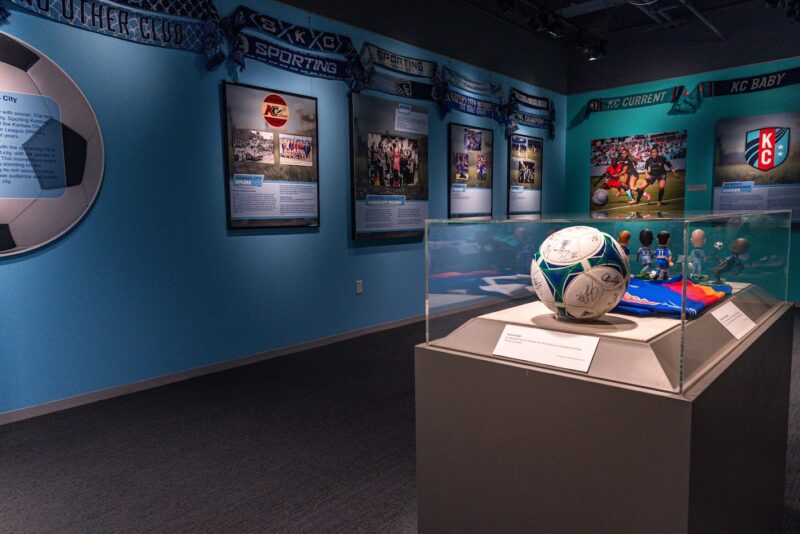
Inspiriert von der Rolle Kansas Citys als Austragungsort der FIFA Fussball-Weltmeisterschaft 2026™ beleuchtet die Ausstellung die persönlichen Verbindungen der Familie Truman zum Sport in Kansas City und darüber hinaus sowie eine beeindruckende Sammlung von Erinnerungsstücken aus der Vergangenheit und Gegenwart der Sportvereine der Stadt.
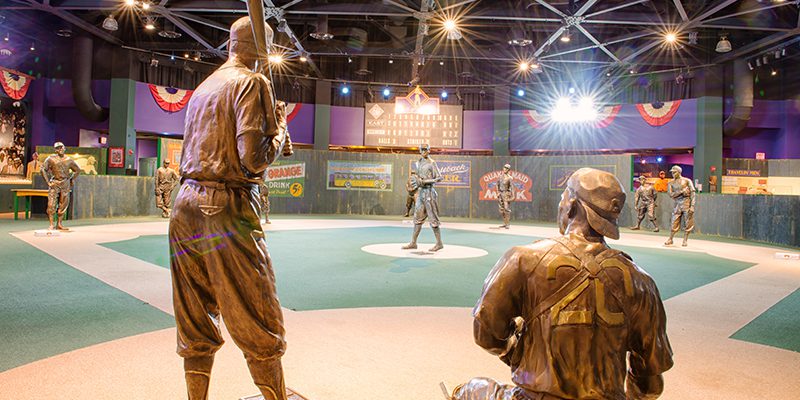
Negro Leagues Baseball Museum
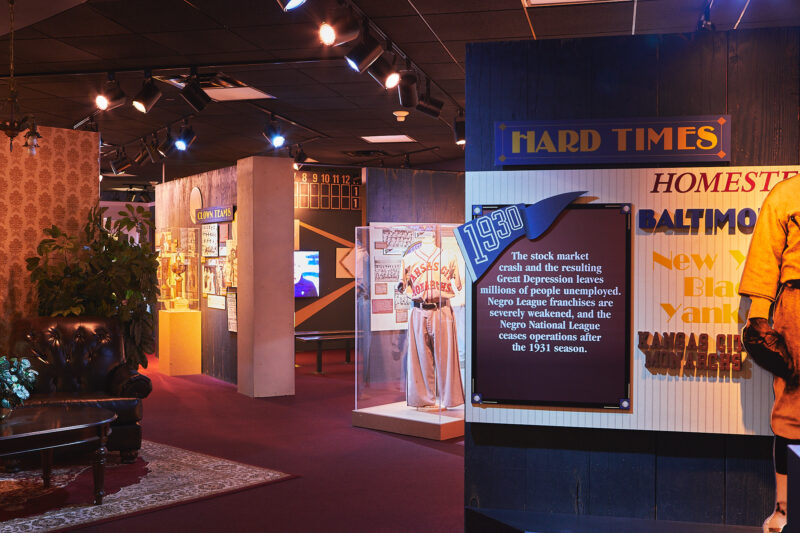
Nachdem Sie sich die Executive Order 9981 angesehen haben, besuchen Sie das Negro Leagues Baseball Museum, um mehr über diesen bahnbrechenden Schritt im Sport zu erfahren, der der Aufhebung der Rassentrennung in den Streitkräften vorausging – und wahrscheinlich Truman selbst beeinflusst hat.
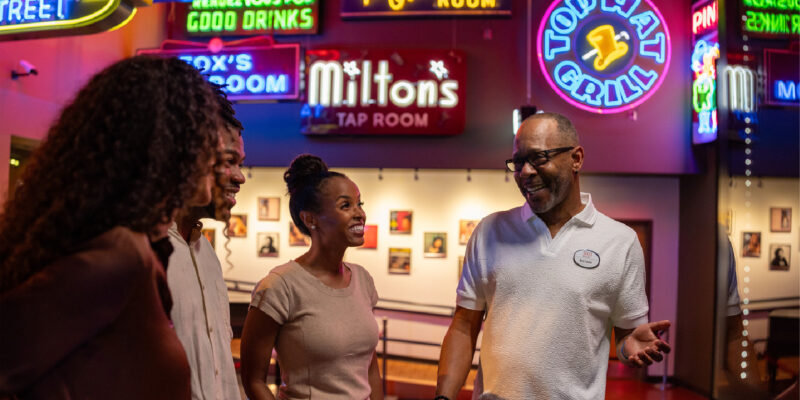
Das Negro Leagues Baseball Museum (NLBM) widmet sich dem Erbe des schwarzen Baseballs und seiner entscheidenden Rolle bei der Förderung der amerikanischen Bürgerrechte. Im Jahr 1920 wurde die Negro National League im Paseo YMCA in Kansas City gegründet - ein Gebäude, das noch immer in der Nachbarschaft steht, direkt gegenüber dem NLBM.
In den folgenden Jahren und Jahrzehnten erfreute sich der Baseball der Negro League großer Beliebtheit, doch die Diskriminierung hielt weiterhin an. Fans, die die schwarzen Spieler auf dem Spielfeld begeistert anfeuerten, verweigerten ihnen oft den Service in Restaurants, Hotels und anderen Einrichtungen.
Jackie Robinson durchbrach 1947 die Rassenschranken in der Major League Baseball, als er sein Debüt für die Brooklyn Dodgers gab, was schließlich zur vollständigen Integration und zum Niedergang der Negro Leagues führte. Die Beharrlichkeit vieler wegweisender Sportler hinterließ jedoch ein Vermächtnis, das den Sport und die amerikanische Gesellschaft für immer veränderte.
Nationales Museum und Denkmal des Ersten Weltkriegs
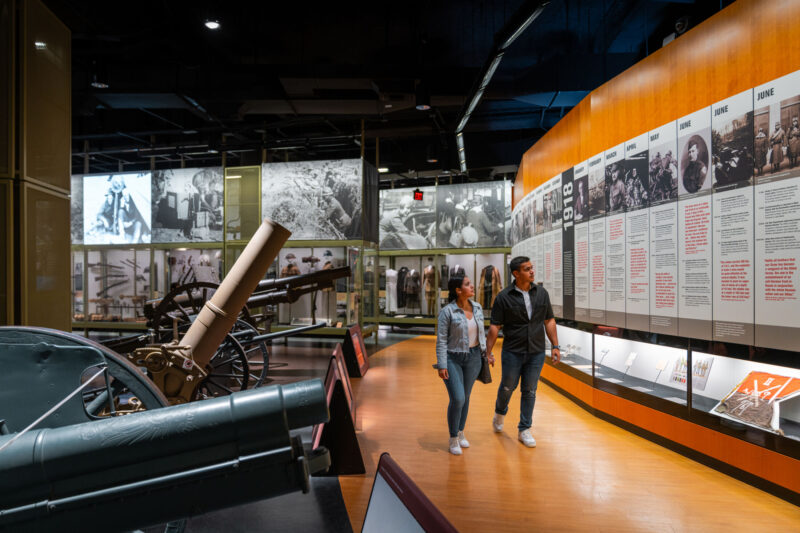
Nachdem Sie sich mit Präsident Woodrow Wilsons „14-Punkte-Rede“ befasst haben, besuchen Sie das Nationale Museum und Denkmal zum Ersten Weltkrieg. Erfahren Sie mehr über den weltweiten Konflikt, der zu einem neuen Vorschlag für friedliche Diplomatie führte.
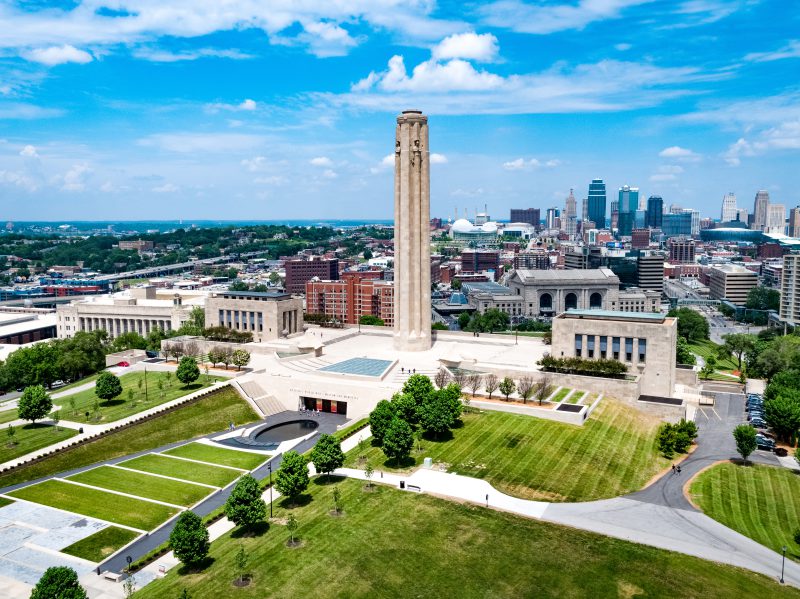
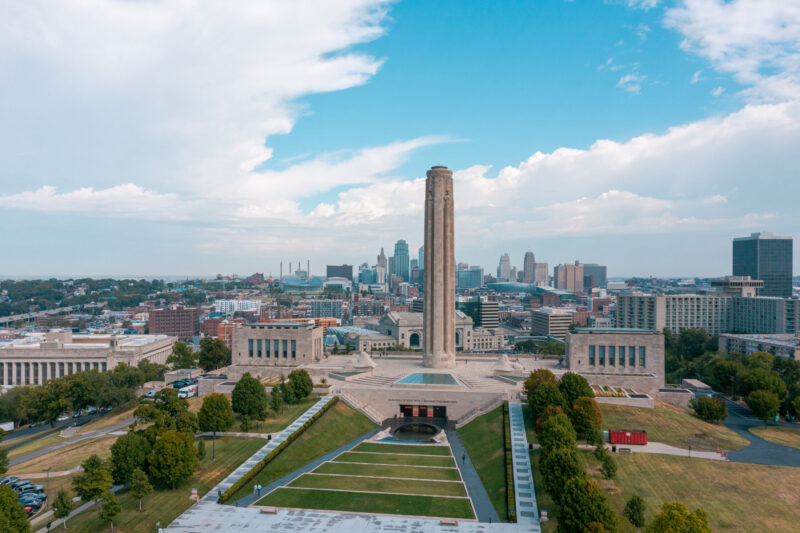
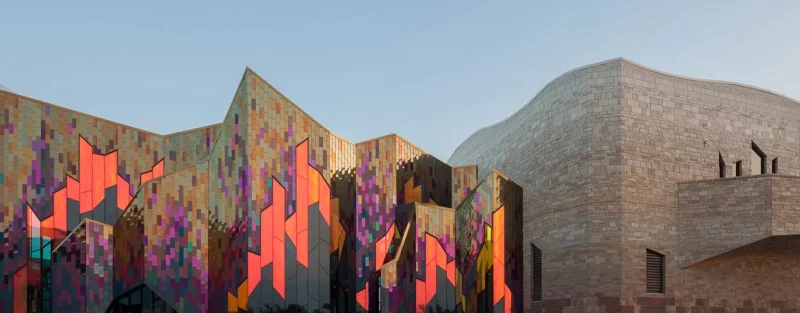
Das National WWI Museum and Memorial ist das einzige amerikanische Museum, das sich ausschließlich der Bewahrung der Gegenstände, der Geschichte und der persönlichen Erlebnisse des Ersten Weltkriegs widmet.
Das Museum beherbergt außerdem die weltweit umfangreichste Sammlung von Objekten und Dokumenten aus dem Ersten Weltkrieg. Die Besucher können mit interaktiven Filmen, Hightech-Beleuchtung und Spezialeffekten, einer offenen Lagerung von Artefakten und vielem mehr in diese Geschichten eintauchen.
Nationaler Geschichtspark „Brown v. Board“
Nachdem Sie sich mit dem historischen Urteil „Brown gegen Board of Education“ befasst haben, sollten Sie einen Ausflug nach Topeka unternehmen und den Ort besuchen, an dem dieser wegweisende Rechtsstreit um Gleichberechtigung seinen Anfang nahm.
Eine Stunde westlich der Innenstadt von Kansas City können Sie die Momente erkunden, die zu einer der bedeutendsten Entscheidungen des US-Gerichtssystems führten. Brown v. Board of Education entstand im Schulsystem von Topeka, wo die Lehrerin und spätere Aktivistin Lucinda Todd 13 Familien dazu brachte, ihre Kinder in den örtlichen weißen Schulen anzumelden.
Ihre Verweigerung wurde zur Grundlage einer Klage, die bis zum Obersten Gerichtshof gelangte, wo die Richter einstimmig beschlossen, die zuvor durch Plessy gegen Ferguson aufgestellte Doktrin "getrennt, aber gleich" aufzuheben. Die Entscheidung beendete die rechtliche Segregation des amerikanischen öffentlichen Schulsystems. Sie führte zwar zu heftigem Widerstand an verschiedenen Standorten im ganzen Land, ist aber nach wie vor eine der folgenreichsten Maßnahmen in der Rechtsgeschichte des Landes.
Besuchen Sie den Brown v. Board of Education National Historical Park und betreten Sie die Monroe School für eine selbstgeführte Tour, die einen 30-minütigen Einführungsfilm, eine Ausstellung über den langen Kampf um die Gleichberechtigung der Rassen im US-Schulsystem und eine Erkundung der anhaltenden Auswirkungen der Entscheidung umfasst.